


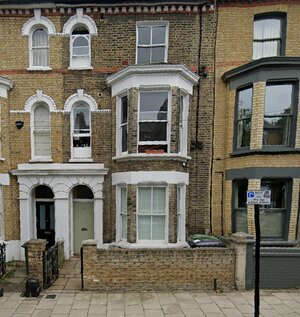
David Bowie’s childhood home in London is set to open to the public next year, offering a glimpse into the bedroom where the music icon first dreamed of stardom.
London is preparing to welcome visitors to one of rock music’s most iconic starting points: David Bowie’s childhood home. The modest south London cottage where Bowie lived from age eight to twenty is set to open to the public next year, restored to its 1960s decor.
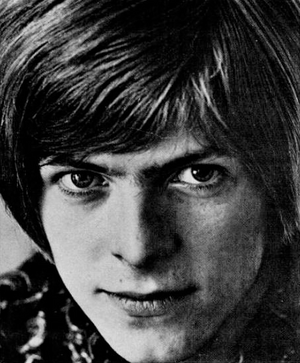
The 19th-century railway worker’s home in Bromley, once the private domain of Bowie—born David Jones—is being preserved by the Heritage of London Trust. Visitors will step into the very bedroom where Bowie famously said he “spent so much time… it really was my entire world,” complete with books, records, and a record player that sparked his creative imagination. Measuring just nine by ten feet, the room may be small, but it served as the incubator for the ideas, sounds, and persona that would make Bowie a global star.
Bowie’s journey from suburban schoolboy to international icon took him from Bromley to Philadelphia, Berlin, and New York, crossing musical genres from folk-rock and glam to soul, electronica, and new wave. His discography includes unforgettable classics like Space Oddity, Changes, Life on Mars, Starman, Young Americans, and Heroes. As co-curator Geoffrey Marsh of the 2013 David Bowie Is exhibition explains, this house represents the moment “where a spark became a flame.”
The Heritage of London Trust moved quickly when the house came on the market last year, supported by a £500,000 charity grant and plans to raise an additional £1.2 million in donations. They aim to open it by late 2027, offering both public tours and creative workshops for children, giving a window into both Bowie’s early creativity and domestic life in postwar Britain. Nicola Stacey, director of the trust, emphasized that visitors should feel the presence of the family and Bowie himself, rather than entering a sterile museum space.
The initiative comes as fans mark a decade since Bowie’s death in January 2016, just two days after the release of his final album, Blackstar. His influence remains pervasive: the V&A Museum in east London opened the David Bowie Centre last year, granting public access to a 90,000-item archive that charts his music, style, and design legacy. Stacey says Bowie’s ethos of reinvention continues to resonate today. “We’re used to people having all sorts of different personas and we celebrate it in a way it wasn’t celebrated back in the 1960s,” she notes.
Childhood friends like George Underwood recall hours spent in the house experimenting with music and dreaming big. “I’ve heard a lot of people say David’s music saved them or changed their life,” he said. “It’s amazing that he could do that and even more amazing that it all started here, from such small beginnings, in this house.”
The restored Bromley cottage is not just a museum; it’s a glimpse into the intimate space where a boy’s imagination laid the foundation for a life of extraordinary creativity. From this quiet London street, a rock icon emerged—an enduring testament to the power of beginnings, and a reminder that even the smallest spaces can contain sparks that change the world.
Sources:
- Associated Press
- Victoria and Albert Museum
- Heritage of London Trust
- BBC News
- The Guardian”
Images: Home – Google maps
Bowie – trade ad - Billboard
 New Music Monday: Five Tracks to kick off March
 The Big Mix: Inside the 2026 Rock & Roll Hall of Fame Ballot
 The Roar Returns: How Mumford & Sons Found Their Fight with 'Prizefighter'
 The Silent Scroll: Why the Architects of Rock and Alt-Pop are Leaving TikTok
 The Gospel of the Gritty: Why U2’s ‘Days of Ash’ is the Rebirth We Needed










Comments
Add a comment