

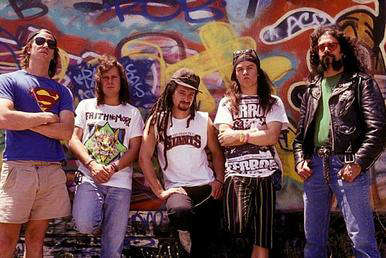
After conquering the charts with albums like The Real Thing and Angel Dust, Faith No More split in 1998, reunited for tours and a 2015 comeback album, then ultimately shelved plans again after cancelled 2021–22 dates
For decades, Faith No More thrived on unpredictability. They were the group that blended heavy metal with lounge music, hip-hop with soul, and high-art cynicism with radio-friendly hooks. But according to frontman Mike Patton, the band’s final chapter did not end with a planned explosion or a grand farewell tour. Instead, it faded out with a quiet, shared realization that the journey had reached its natural conclusion.
In recent reflections on the group’s 2015 tour for their first studio album in eighteen years, Patton described an atmosphere that felt professional yet heavy with finality. While the members never sat down to formally sign a dissolution agreement, he noted that a strong sense of closure was palpable behind the scenes. He explained that everyone involved seemed to feel the end was near, even if nobody spoke the words out loud. It felt as though they had proven they could still perform at a high level, but the desire to continue beyond that point had evaporated.
That hesitation carried a lot of weight. Faith No More had already survived a messy breakup in the late nineties and a triumphant reunion a decade later. By the time they were touring in 2015 and 2016, the creative spark that fueled their comeback was competing with the grueling realities of travel and the changing personal priorities of five men who had spent their entire adult lives in the music industry.
The quiet nature of the split is characteristic of a group that often communicated better through complex music than through direct heart-to-heart conversations. Bassist Billy Gould has often described the internal chemistry of the band as a fragile ecosystem. When that balance began to shift during the final tour dates, the members seemed to recognize that pushing any further might damage the legacy they had worked so hard to rebuild.
The finality became more certain in 2021. The band had scheduled a massive string of comeback performances, including stadium shows, only to cancel them all. Patton later pointed to mental health struggles and the isolation caused by the pandemic, noting that the prospect of returning to the stage under those conditions felt impossible at the time.
While fans held out hope for rescheduled dates, the silence from the camp grew louder over the following years. Keyboardist Roddy Bottum moved into experimental opera and new creative projects, while drummer Mike Bordin and guitarist Jon Hudson remained largely out of the public eye.
Patton has stayed prolific with other musical ventures, but his recent comments suggest he is looking back at Faith No More as a completed book rather than a paused one. He admits there is a certain peace in knowing they ended on a high note by playing sold-out shows and releasing a critically acclaimed album, rather than dragging the brand through a cycle of diminishing returns.
For a band that defined alternative music by refusing to fit into any specific category, perhaps a silent ending is the most fitting conclusion. They did not need a formal press release to know the music had stopped. They simply had to look at each other on stage and realize the story had finally been told.
Sources:
- Blabbermouth.net
- Rolling Stone
- The Guardian
- Classic Rock Magazine
Image: qualifies as fair use under United States copyright law.
 The Life and Legacy of Jeff Healey
 The Last Ride of the Prince of Darkness: Ozzy’s Final Choice
 New Music Monday: Five Tracks to kick off March
 The Big Mix: Inside the 2026 Rock & Roll Hall of Fame Ballot
 The Roar Returns: How Mumford & Sons Found Their Fight with 'Prizefighter'







Comments
Add a comment