

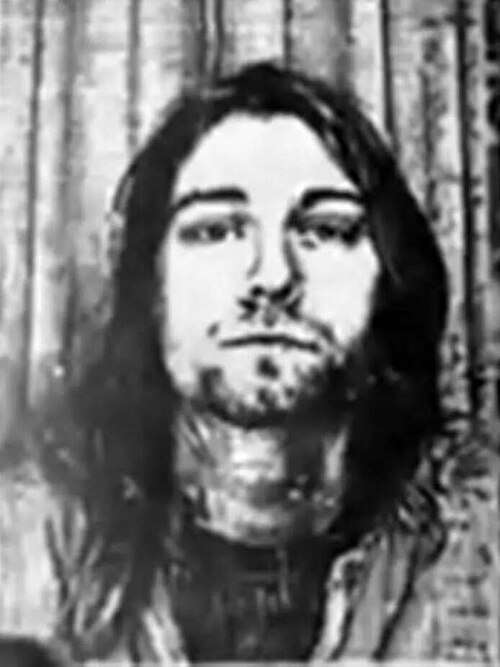
Thirty-two years after the world lost the voice of a generation, the legacy of Nirvana’s frontman continues to shape the soul of rock music
The rain in Seattle on the morning of April 8, 1994, felt heavier than usual. At 9:40 AM, a local radio bulletin on KXRX shattered the morning silence, delivering news that fans had spent weeks fearing. Kurt Cobain, the reluctant king of grunge, was gone. An electrician, arriving for a routine job at the Lake Washington home, had looked through a glass door and seen the 27-year-old icon. He had been dead for several days.
For a generation, the news was a tectonic shift. Cobain wasn’t just a rock star; he was the person who had made it okay to be an outsider. While the 1980s were marked by neon aesthetics and polished pop, Cobain changed everything. Clad in thrift-store sweaters and armed with a Fender Mustang, he used the heavy distortion of "Smells Like Teen Spirit" to redraw the musical map. The track effectively ended the reign of hair metal overnight, turning suburban frustration into a global phenomenon.
The signs of the end had been flickering for months. Just thirty days prior, the In Utero tour had come to a screeching halt in Rome. Cobain had suffered a near-fatal overdose on painkillers and champagne, leaving him in a coma for twenty hours. The European dates were canceled, and the band retreated to Seattle, hoping their leader would find his footing in rehab. Instead, Cobain walked away from the facility and disappeared into the gray mists of his hometown.
As news of his death spread from Seattle to London and Tokyo, the music he left behind took on a haunting new depth. On the radio, the raw, acoustic vulnerability of "About a Girl" and the jagged pain of "Heart-Shaped Box" played on a loop. Fans didn't just listen to the music; they lived inside it.
By the evening of April 8, hundreds had gathered at Viretta Park, adjacent to Cobain’s home. They held candles and flowers, crying to the lyrics of "Come As You Are." The irony of the song—a plea for acceptance—wasn't lost on the crowd. Cobain had spent his short career running away from the very fame that eventually overwhelmed him. He was a man who wanted to be a musician, but accidentally became a prophet.
In the decades since that Friday morning, Nirvana’s influence hasn't faded. "All Apologies" remains a staple of rock radio, serving as a final, bittersweet goodbye from a songwriter who felt too much. While the "Seattle Sound" has changed, the image of Cobain—hunched over his guitar, eyes closed, screaming into the void—remains the definitive portrait of 90s rock. He taught the world that there was beauty in the noise, and that even in the darkest corners of the mind, a melody could still find its way out.
Sources:
- Rolling Stone
- The New York Times
- Seattle Post-Intelligencer
- Radio Station KXRX
- Nirvana
Image: Public Domain. Author: Embassy of the United States, Bern
 From Superstar to Sananda: The Journey of Terence Trent D’Arby
 Rock’s Greatest Anthems of Exodus and Freedom
 Resurrecting the Riff: A Journey Through Rock’s Spiritual Spring
 The Week the Music World Belonged to Liverpool: Revisiting the Beatles' 1964 Chart Monopoly
 U2 Navigates Spiritual Renewal and Personal Inquiry on Surprise 'Easter Lily' EP












Comments
Add a comment