


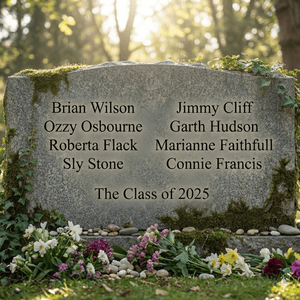
From the visionary harmonies of Brian Wilson to the heavy metal thunder of Ozzy Osbourne, we celebrate the enduring legacies and unforgettable anthems of the trailblazers who shaped the soundtrack of our lives.
The year 2025 was a bittersweet chapter in music history. While the airwaves remained full of new hits, the world said a final goodbye to many of the legends who built the foundations of modern sound. From the quiet innovators of the 1960s to the loud rebels of heavy metal, the artists we lost this past year left behind a legacy that is etched into the very fabric of our culture.
Brian Wilson was the visionary architect of the "California Sound." He is best remembered for the masterpiece "God Only Knows," a song that moved beyond simple pop to explore deep spiritual and emotional territory. With its complex harmonies and soaring melody, the track proved that rock and roll could be as sophisticated as classical music, cementing Wilson’s place as one of the greatest composers of all time.
Ozzy Osbourne, the "Prince of Darkness," left a legacy of power and rebellion. While he pioneered heavy metal with Black Sabbath, he is perhaps most iconic for his solo anthem "Crazy Train." The song’s driving riff and Ozzy’s unmistakable voice became a call to arms for generations of rock fans, blending high-energy showmanship with a message about the madness of the world.
Garth Hudson was the secret ingredient in the legendary group The Band. He is most celebrated for his work on "The Weight," where his soulful organ playing provided the spiritual backbone for a song that feels like a piece of ancient American folklore. Hudson was a musician’s musician, known for his ability to weave jazz, folk, and classical elements into a single, cohesive sound.
Roberta Flack possessed a voice that defined the "Quiet Storm" movement, turning tenderness into a superpower. She is best remembered for "Killing Me Softly with His Song," a track that showcased her incredible precision and emotional depth. Her ability to inhabit a lyric made the song an instant classic, earning her a permanent place in the pantheon of soul and R&B.
Sly Stone was a revolutionary who tore down the walls between funk, soul, and rock. His anthem "Everyday People" remains the ultimate statement of unity and social harmony. With its infectious rhythm and simple, powerful lyrics about acceptance, the song became the heartbeat of a generation striving for a more inclusive world.
Jimmy Cliff was instrumental in bringing reggae to the global stage. He is immortalized by the title track of his landmark film, "The Harder They Come." The song is a defiant shout against oppression, capturing the spirit of the underdog with a catchy, upbeat rhythm that made it a worldwide hit and paved the way for reggae’s mainstream success.
Marianne Faithfull was the quintessential voice of the British Invasion, evolving from a 1960s starlet into a gritty, soulful storyteller. She is best remembered for her haunting version of "As Tears Go By." Her voice, which grew more textured and experienced over the years, gave the song a profound sense of melancholy that resonated with listeners across decades.
David Johansen was a chameleon of the New York scene, first as the frontman of the punk-pioneering New York Dolls and later as the lounge singer Buster Poindexter. He is most remembered for the Dolls' high-voltage track "Personality Crisis," a song that helped invent the raw energy of punk rock and influenced countless artists with its glamorous, messy attitude.
Sam Moore provided the high-octane energy for the legendary soul duo Sam & Dave. He is best known for the hit "Soul Man," a song that defined the Stax Records sound. His powerful, gospel-inflected vocals turned the track into an enduring celebration of pride and resilience, making it one of the most recognizable recordings in the history of soul music.
Peter Yarrow was a central figure in the folk revival of the 1960s. As a member of Peter, Paul and Mary, he co-wrote and sang on "Puff, the Magic Dragon." While the song became a beloved childhood classic, it also represented the trio’s ability to use simple storytelling to touch the hearts of millions, standing as a testament to the power of folk music.
Connie Francis was the top female vocalist of the early rock and roll era, breaking records and barriers alike. She is best remembered for "Who's Sorry Now," the breakout hit that showcased her clear, emotional voice and her ability to blend traditional pop with the new energy of the 1950s music scene.
Perry Bamonte was a vital part of the dark, melodic world of The Cure during their peak years. He is best remembered for his contributions to the lush, atmospheric sound of "Pictures of You." His ability to layer guitars and keyboards helped create the "wall of sound" that became the band's trademark, capturing a sense of longing that remains timeless.
As the final notes of 2025 fade away, we are left with a silence that feels profoundly heavy, yet deeply resonant. The loss of these visionaries—from the heavy metal thunder of the "Prince of Darkness" to the symphonic pop brilliance of the "California Sound"—marks the closing of a monumental chapter in music history. These were the architects of our memories, providing the soundtrack to our triumphs and the comfort for our quietest nights. Though the stage may now be empty, their influence remains stitched into the very fabric of our culture. As long as a record spins or a radio signal carries their melodies across the airwaves, their legacy will endure, reminding us that while the artist is mortal, the song is eternal.
Sources:
- Classic Rock Magazine
- Billboard
- Rolling Stone
- CBC News
- PBS News
- Consequence of Sound
- Global News
 New Music Monday: Five Tracks to kick off March
 The Big Mix: Inside the 2026 Rock & Roll Hall of Fame Ballot
 The Roar Returns: How Mumford & Sons Found Their Fight with 'Prizefighter'
 The Silent Scroll: Why the Architects of Rock and Alt-Pop are Leaving TikTok
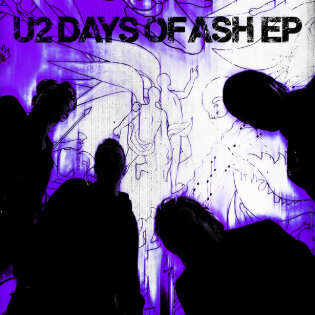 The Gospel of the Gritty: Why U2’s ‘Days of Ash’ is the Rebirth We Needed









Comments
Add a comment