
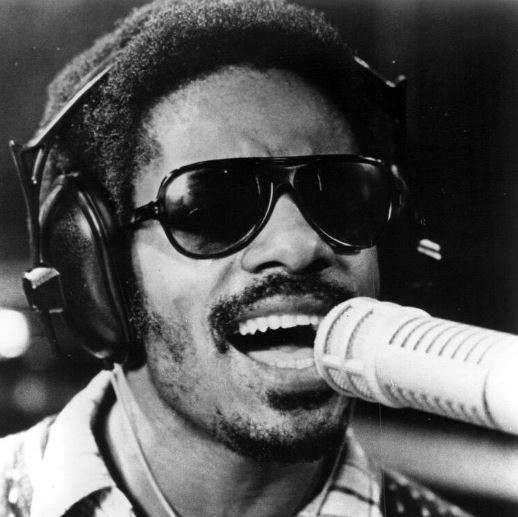
From a child prodigy to a global icon, we trace the incredible evolution of Stevie Wonder and the creative "Superstition" that changed the sound of the seventies forever
Stevie Wonder sat behind a drum kit in 1972, but he wasn’t alone. Across from him sat the legendary British guitarist Jeff Beck. They were at Electric Lady Studios in New York, just playing around with rhythms and grooves. Beck started playing a steady, driving beat, and Stevie told him to keep going. He sat down at a Hohner Clavinet—a keyboard that sounds almost like a percussive guitar—and improvised a riff that would eventually rattle the world. That riff became "Superstition," a song that didn't just top the charts; it redefined what a pop song could sound like.
By the time "Superstition" hit number one in early 1973, Stevie Wonder was already a veteran of the music industry. It had been exactly ten years since his first major hit, "Fingertips (Part 2)," which he recorded as a twelve-year-old prodigy known as "Little Stevie Wonder."
In that decade, he had matured from a Motown soul singer into a musical visionary. He had already given the world "Uptight (Everything's Alright)," "For Once in My Life," and "Signed, Sealed, Delivered I'm Yours." But as the 1970s began, Stevie wanted more. He wanted total creative control.
He used his leverage with Motown Records to negotiate a contract that allowed him to produce his own music and keep his own publishing. This sparked what critics now call his "Classic Period." It began with the album Music of My Mind, where he started experimenting heavily with synthesizers, creating sounds that had never been heard in R&B. But it was his next album, Talking Book, that truly blew the doors off.
"Superstition" was the lead single from that record, and it represented a massive shift. It was funky, it was gritty, and it was complex. While the drum beat came from Jeff Beck, Stevie played almost every other instrument on the track himself. The song's success was a milestone, proving that a blind artist from Michigan could command the attention of the entire globe by blending rock, soul, and funk into a single, irresistible package.
Following the massive success of Talking Book, Stevie didn't slow down. He released Innervisions in 1973, which featured the socially conscious "Living for the City" and the infectious "Higher Ground." These songs weren't just about dancing; they were about the reality of life in America, tackling themes of racism and struggle with a groove that made you listen. He continued his winning streak with Fulfillingness' First Finale in 1974, which gave us "You Haven't Done Nothin'."
Everything culminated in 1976 with the double album Songs in the Key of Life. This is widely considered one of the greatest albums ever made. It featured hits like "Sir Duke," a tribute to the jazz greats who inspired him, and the joyful "Isn't She Lovely," written about his daughter. The album debuted at number one and stayed there for fourteen weeks, a feat that was almost unheard of at the time.
Stevie’s influence went far beyond the recording booth. He was a pioneer in using technology to create art, and a powerful voice for social change. He was a key figure in the campaign to make Martin Luther King Jr.’s birthday a national holiday in the United States, even writing the anthem "Happy Birthday" to support the cause.
From the young boy playing the harmonica in Detroit to the man who swept the Grammys year after year, Stevie Wonder’s career is a testament to the power of pure, unfiltered talent. Whether it's the opening drum fill of "Superstition" or the soaring melody of "I Just Called to Say I Love You," his music remains the soundtrack of our lives, proving that true genius knows no boundaries.
Sources:
- Talking Book album liner notes
- Rolling Stone
- Billboard
- The Motown Museum Archives
- “Signed, Sealed, and Delivered: The Celebration of Stevie Wonder" by Mark Ribowsky
Image: Public Domain, Author: Motown
 The Ultimate "Digital Rug-Pull": A Soundtrack for the Strategically Pranked
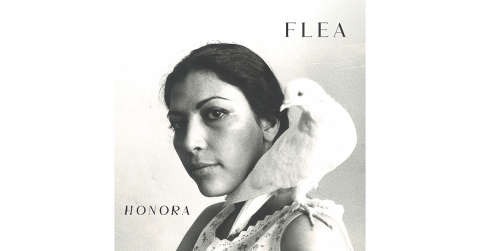 Flea Steps Out of the Funk Shadow with Jazz-Infused Solo Debut, "Honora"
 New Music Monday: Five tracks to warm up your week
 Willie Nelson’s Outlaw Tour Enters Second Decade
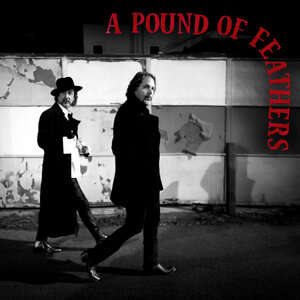 Black Crowes Soar Again with A Pound of Feathers









Comments
Add a comment