
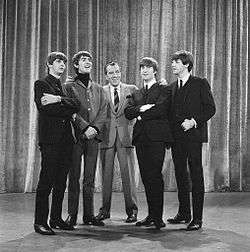
On a cold Sunday night in 1964, four young men from Liverpool didn’t just play songs on television. They quietly flipped the cultural switch in North America.
On the evening of February 9, 1964, much of the United States did the same thing at the same time. Families finished dinner early. Teenagers argued for control of the television. Living rooms filled up, not for a presidential address or a championship game, but for a British rock band most adults still didn’t quite understand.
Ed Sullivan had invited The Beatles on his show and they were about to change music in the U.S. forever.
By the time Ed Sullivan welcomed them to the stage, anticipation had reached a level that television had never really seen before. CBS had received more than 50,000 requests for tickets to the show’s studio audience, despite there being room for just 728 people. The crowd that made it inside included a strange cross-section of American life: celebrities, politicians’ children, athletes, and a sea of screaming teenagers who already felt like they were witnessing something historic.
What followed was 13 minutes that permanently altered the relationship between pop music, television, and youth culture.
The Beatles opened with “All My Loving,” a brisk, confident performance that immediately announced they were not a novelty act. They followed it with “Till There Was You,” a deliberate choice that showed range and musicality, aimed squarely at skeptical parents watching at home. Then came “She Loves You,” and the screams grew louder, almost swallowing the song itself. After a brief break later in the broadcast, they returned to play “I Saw Her Standing There” and closed with “I Want to Hold Your Hand,” already a number one hit in the U.S.
By modern standards, the set was simple. No elaborate lighting, no massive screens, no choreography beyond the occasional head shake. But that simplicity worked in their favour. Viewers saw four young men who looked different, sounded different, and moved with a kind of relaxed confidence that felt new and unsettling all at once.
An estimated 73 million people watched the broadcast live, roughly 40 percent of the American population at the time. For Ed Sullivan, it was a triumph. The episode gave him his highest ratings in seven years and cemented his show’s place as a cultural gatekeeper. For the music industry, it was a moment of clarity. Rock and roll was no longer a fringe youth interest. It was now mainstream, unavoidable, and profitable.
The timing mattered. President John F. Kennedy had been assassinated less than three months earlier. The country was anxious, grieving, and uncertain about the future. The Beatles arrived with humour, charm, and a sense of joy that felt like a release valve. They smiled. They joked. They looked like they were having fun. For a generation of teenagers, they felt like permission.
That night also marked the true beginning of what would be called the British Invasion. While British artists had charted in the U.S. before, nothing came close to the tidal wave that followed The Beatles’ Sullivan appearance. Within weeks, they occupied the top five spots on the Billboard Hot 100. Soon after, acts like The Rolling Stones, The Animals, and The Kinks would follow, reshaping American pop and rock in their image.
The cultural ripple effects were immediate. Hair got longer. Guitar sales surged. Bands formed in basements and garages across North America. Music shifted away from polished crooners and toward self-contained groups writing and performing their own material. The idea of the band as a creative unit, rather than a vehicle for songwriters and producers, took hold.
The Beatles would return to The Ed Sullivan Show several more times in 1964, but nothing quite matched the electricity of that first appearance. It was the sound of a door opening. Once opened, it never really closed again.
Sixty years later, the footage still holds up. Not because it feels flashy or modern, but because it captures a rare moment when a culture collectively leaned forward. For a few minutes on a Sunday night, America watched something new arrive, live and unfiltered, and quietly agreed that things were about to change.
Sources
- CBS
- The Ed Sullivan Show
- Billboard
- Smithsonian National Museum
Image - Public Domain - Author: CBS
 The Ultimate "Digital Rug-Pull": A Soundtrack for the Strategically Pranked
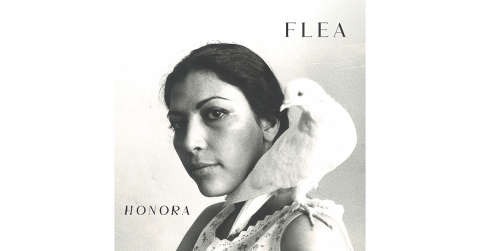 Flea Steps Out of the Funk Shadow with Jazz-Infused Solo Debut, "Honora"
 New Music Monday: Five tracks to warm up your week
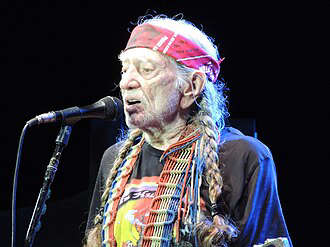 Willie Nelson’s Outlaw Tour Enters Second Decade
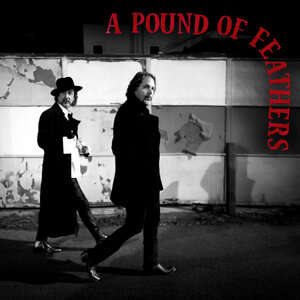 Black Crowes Soar Again with A Pound of Feathers









Comments
Add a comment