

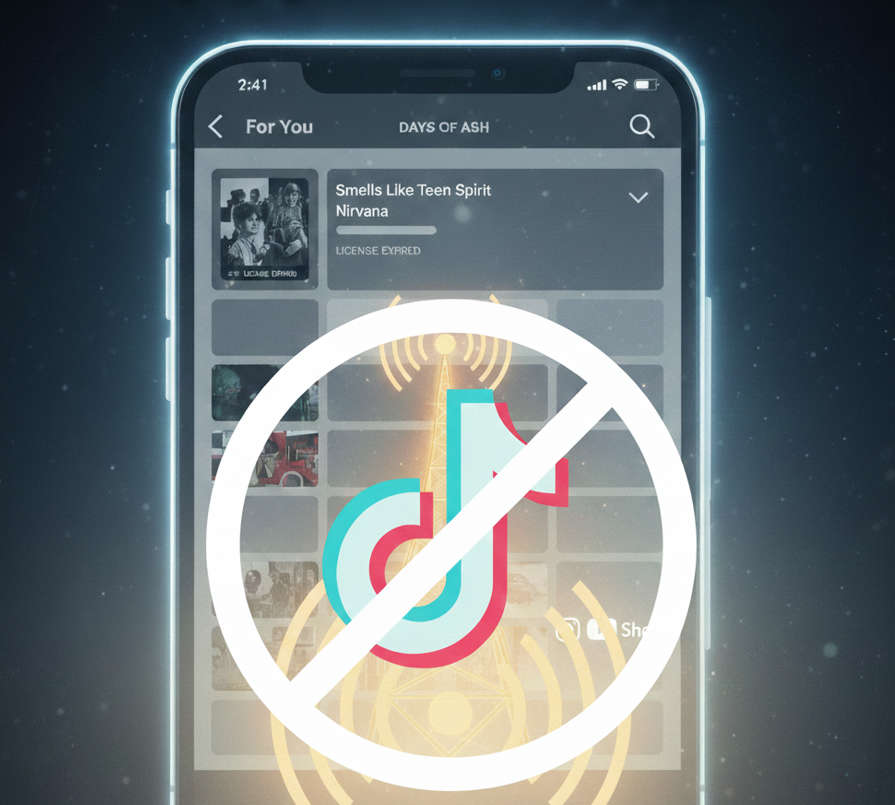
A growing rebellion of legacy acts and alternative icons is pulling their catalogs from TikTok, sparking a high-stakes war over the value of a song in the age of the viral clip.
The digital landscape has gone strangely quiet. For the last several years, TikTok has been the undisputed kingmaker of the music industry, where a fifteen-second clip could resurrect a forgotten gem or turn an obscure riff into a global anthem. But as we move through February 2026, the honeymoon is officially over. The "Silent Scroll" has begun, and it isn't the flashy Top 40 machines leading the charge—it’s the legends and the alternative icons who are tired of their life’s work being used as free wallpaper for the feed.
If you’ve tried to soundtrack your latest video with the brooding energy of the nineties or the stadium-filling power of the seventies lately, you’ve likely hit a wall. While previous industry disputes briefly silenced the platform, the current exodus is more surgical and driven by the artists themselves. We are seeing a coordinated withdrawal of catalogs that defined the "album era," led by architects of sound who feel the platform's licensing model has become a "race to the bottom."
The absence is most felt in the alternative space. Robert Smith has long been a vocal advocate for artist rights, and the removal of The Cure’s "Lovesong" and "Just Like Heaven" marks a major shift in the availability of gothic-pop staples. Similarly, the band that famously upended the music industry with In Rainbows is making a stand again; Radiohead has pulled "Creep" and "Everything in Its Right Place" against what they deem extractive digital licensing. Even the ultimate anthem of the nineties, Nirvana’s "Smells Like Teen Spirit," has become increasingly hard to find in its original form as the estate pushes back against the mindless meme-ification of Kurt Cobain’s legacy.
The list of "muted" icons continues to grow as the 2026 licensing cycle hits a stalemate. Fans looking for the sophisticated pop-rock of the eighties have found themselves locked out of Tears for Fears’ "Everybody Wants to Rule the World," while the gritty, foundational grunge of Soundgarden’s "Black Hole Sun" and Pearl Jam’s "Even Flow" has vanished from the official library. The sweep isn't sparing the "indie-sleaze" era or the 2000s post-punk scene either; key tracks like the sharp-edged "Last Nite" by The Strokes and LCD Soundsystem’s frantic dance anthem "All My Friends" have mostly vanished from the platform as artists push for stronger safeguards against AI clones.
The tension boils down to a fundamental disagreement: is music a piece of art or a digital utility? For TikTok, a song is often treated like a camera filter. For the artists who built their careers between 1970 and 2010—from the protest folk of Bob Dylan’s "Like a Rolling Stone" to the industrial precision of Nine Inch Nails’ "Closer"—that music is a primary asset being systematically devalued. The old "promotion myth" is collapsing; data shows that while a classic like Fleetwood Mac’s "Dreams" might see a minor bump in plays during a viral trend, the actual payout from TikTok itself remains scandalous.
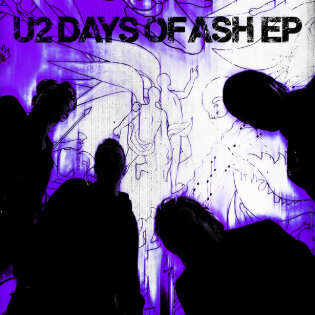
As the feed becomes a sterile loop of royalty-free beats and AI-generated vibes, a fascinating migration is occurring. Disenchanted with the algorithmic lottery, these artists are pivoting back to the platforms that value the "whole song." We are seeing a massive resurgence in terrestrial radio, where curated storytelling still exists. This was perfectly illustrated just days ago when veteran DJ Dave Fanning broke into regular programming on Ireland's RTE 2FM to world-premiere U2’s surprise Days of Ash EP—a moment of "appointment listening" that TikTok simply cannot replicate.
Other artists are moving their "visual" energy to YouTube Shorts and Instagram Reels, which have begun offering more transparent revenue-sharing models and better integration with full-length streaming. By pulling their music, icons from Elton John and The Smashing Pumpkins to PJ Harvey are making a stand: if the platform won't pay fair market value, they would rather be silent. The architects of sound have left the building, and they’ve taken their masters with them.
Sources:
- Universal Music
- Billboard
- Rolling Stone
- U2.com
- RTE 2FM
- Music Business Worldwide
 The Gospel of the Gritty: Why U2’s ‘Days of Ash’ is the Rebirth We Needed
 Shatner’s Heavy Metal Frontier: At 94, the Captain Turns Up the Volume
 The Last Ride of the Ultimate Rock ‘n’ Roll Outlaw
 Sturgill Simpson Dies to Become Johnny Blue Skies
 The Foo Fighters’ Cryptic "Evaluation" Points to a Punk-Fueled Reset









Comments
Add a comment