
In January, 1973, a mystery-wrapped masterpiece began its three-week reign atop the charts, defining a decade of pop music and celebrity intrigue.
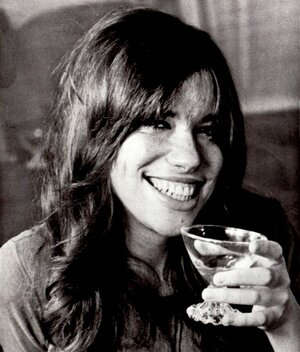
In January 1973, the top of the American music charts belonged to a song that was as much a psychological puzzle as it was a pop hit. Carly Simon’s "You’re So Vain" began its three-week run at number one on the Billboard Hot 100 that day, cementing Simon’s place as a premier voice of the singer-songwriter era.
While the 1970s were filled with introspective music, "You’re So Vain" felt different. It wasn’t a gentle ballad or a plea for peace; it was a sharp, stylish, and incredibly catchy takedown of an arrogant lover. Over fifty years later, it remains one of the most famous "diss tracks" in history.
The song announces itself immediately with one of the most recognizable openings in rock history. Before Simon even speaks, the listener hears the distinctive, low-thrumming bass line played by Klaus Voormann—the artist and musician famous for his long association with the Beatles. That moody, minimalist intro set a sophisticated tone that stood out from the heavier rock and bubblegum pop of the time.
As the song builds, it reveals a lush production that was both radio-friendly and artistically complex. One of the most famous elements of the track is the backing vocals. If the harmonies on the chorus sound familiar, it is because they belong to Mick Jagger. The Rolling Stones frontman happened to be in the studio during the recording session, and his uncredited contribution added a layer of rock-star swagger to a song that was already dripping with it.
What truly transformed "You’re So Vain" from a hit single into a cultural phenomenon was its subject matter. The lyrics described a man who "walked into the party like you were walking onto a yacht" and "watched yourself gavotte" in the mirror.
Almost immediately, the public began a decades-long guessing game: Who was the "you"?
Speculation centered on a list of famous men in Simon’s life at the time, including Mick Jagger, Cat Stevens, and Kris Kristofferson. For years, the leading candidate was actor Warren Beatty. Simon played into the mystery for decades, occasionally dropping hints or revealing letters to the highest bidders at charity auctions. Eventually, she confirmed that the second verse—the one about Saratoga and the private jet—was indeed about Beatty, but she maintained that the rest of the song was a composite of two other men.
By the time "You’re So Vain" hit number one, the music industry was leaning heavily into personal, "confessional" songwriting. Artists like Carole King, James Taylor, and Joni Mitchell were turning their private lives into public art.
Simon, however, brought a specific brand of East Coast sophistication to the genre. She wrote from the perspective of someone who moved through high-society circles but wasn’t blinded by the glamour. "You’re So Vain" was the crown jewel of her album No Secrets, which also topped the charts.
The song’s success was massive. It stayed at number one for three weeks and was eventually certified gold, selling over a million copies at a time when that was a rare feat. It also earned Simon three Grammy nominations, including Record of the Year and Song of the Year.
While Carly Simon would go on to have many other hits—including the Bond theme "Nobody Does It Better"—"You’re So Vain" remains her signature. Its influence is still felt today in the music of artists like Taylor Swift, who have built massive careers on the art of the lyrical "easter egg" and the public dissection of past relationships.
The song’s power lies in its relatability. While few of us have flown a private jet to Nova Scotia to see a total eclipse of the sun, everyone has met someone who was a little too in love with their own reflection. On that January day in 1973, Carly Simon didn't just top the charts; she gave the world a permanent anthem for anyone who has ever been burned by a narcissist.
---
Sources:
- Billboard Magazine
- Boys in the Trees
- Rolling Stone
- The Guardian
Image: publicity photo - public domain
 The Life and Legacy of Jeff Healey
 The Last Ride of the Prince of Darkness: Ozzy’s Final Choice
 New Music Monday: Five Tracks to kick off March
 The Big Mix: Inside the 2026 Rock & Roll Hall of Fame Ballot
 The Roar Returns: How Mumford & Sons Found Their Fight with 'Prizefighter'












Comments
Add a comment