

Seven years after her sudden passing, the legacy of The Cranberries' frontwoman continues to resonate
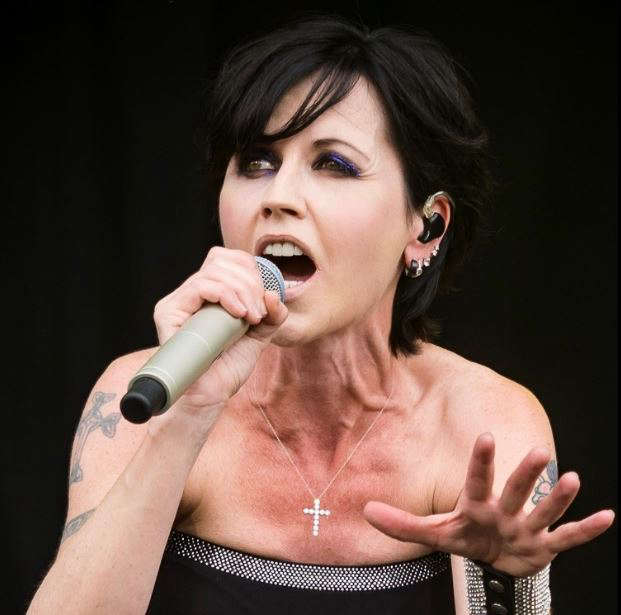
The news that broke on January 15, 2018, felt like a glitch in the soundtrack of the nineties. The Sound of the Soul: The Unforgettable Rise and Legacy of Dolores O’Riordan
From Limerick to the world stage, the frontwoman of The Cranberries turned personal pain into universal anthems before her untimely passing seven years ago.
Her death left a void in the hearts of millions, the story of her career remains a masterclass in how raw talent and regional identity can conquer the global charts.
The story began in 1990 in a small rehearsal shed in Limerick, Ireland. Brothers Noel and Mike Hogan, along with drummer Fergal Lawler, were looking for a new singer. O’Riordan walked in, a quiet girl with a short pixie cut and a keyboard. She took home a demo of a track they were working on and returned a week later with a completed version of "Linger." It was a moment of instant alchemy.
By 1993, the band released their debut album, Everybody Else Is Doing It, So Why Can’t We?. While it was a slow burn initially, the ethereal quality of "Dreams" and the yearning vulnerability of "Linger" eventually pushed the album to number one in both the UK and Ireland, and Top 20 in the US. O’Riordan’s "keening"—a traditional Irish vocal technique of wailing—became the band's sonic fingerprint.
If the first album made them stars, their 1994 follow-up, No Need to Argue, made them legends. The lead single, "Zombie," was a departure from their dreamy pop roots. Written by O’Riordan following an IRA bombing in Warrington, the song was a distorted, heavy-hitting protest anthem. Her vocal performance, ranging from a whisper to a guttural roar, defined the angst of the mid-nineties. The album went on to sell over 17 million copies, making The Cranberries one of the biggest bands on the planet.
Throughout the late 90s and early 2000s, the band continued their streak of success with albums like To the Faithful Departed and Bury the Hatchet. They became symbols of the "Irish Invasion" of the US charts, with O’Riordan’s distinctive accent and unapologetic lyrics leading the charge.
After a hiatus to focus on family and solo projects, the band reunited in 2009, proving that their chemistry hadn't faded. They released Roses in 2012, followed by the orchestral album Something Else in 2017.
O’Riordan’s death in 2018 occurred just as the band was planning a new era. In a moving tribute to their friend, the remaining members took the vocal demos she had recorded in her final months and built their final album around them. Released in 2019, In The End served as a haunting and beautiful closure to a career that spanned nearly three decades.
Dolores O’Riordan didn't just sing songs; she shared her life. From the awkwardness of young love to the political turmoil of her homeland, her voice carried the weight of the human experience. Seven years after she left us, the world is still listening.
Sources:
- The Guardian
- Rolling Stone
- BBC News
- The Irish Times
Image: This file is licensed under the Creative Commons Attribution-Share Alike 2.0 Generic license. Aurthor: Bart Notermans from Rotterdam, The Netherlands
 New Music Monday: Five Tracks to kick off March
 The Big Mix: Inside the 2026 Rock & Roll Hall of Fame Ballot
 The Roar Returns: How Mumford & Sons Found Their Fight with 'Prizefighter'
 The Silent Scroll: Why the Architects of Rock and Alt-Pop are Leaving TikTok
 The Gospel of the Gritty: Why U2’s ‘Days of Ash’ is the Rebirth We Needed








Comments
Add a comment