
A look at the life and legacy of Canadian singer David Clayton-Thomas, the frontman behind some of Blood, Sweat & Tears
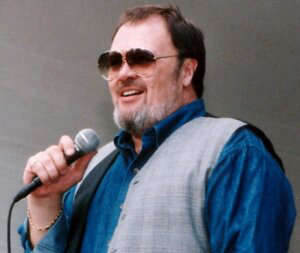
David Clayton-Thomas stands as one of the defining voices of the late 1960s and early 1970s rock era, a Canadian singer whose blend of blues, jazz, and rock helped push popular music into new territory. Thomas died in Toronto on Wednesday.
He was a iconic figure in Canadian music history and his influence will continue to be recognized for years to come.
Born in Surrey, England in 1941 and raised in Toronto, Clayton-Thomas grew up in a difficult household and spent time in reform school, an experience he later credited with shaping both his grit and his storytelling voice. Music became his escape route. In the early 1960s, he began performing in Toronto clubs, developing a powerful, gravel-edged vocal style that stood out in a crowded scene.
His breakthrough came after joining Blood, Sweat & Tears in 1968. The band was already experimenting with jazz-rock fusion, but it was Clayton-Thomas who helped turn them into mainstream stars.
Their self-titled 1969 album became a landmark release, producing hits like “You’ve Made Me So Very Happy” and “Spinning Wheel.” Both tracks became radio staples, with “Spinning Wheel” in particular capturing the era’s shifting musical identity, blending horn-driven arrangements with pop structure and a biting lyrical edge.
Other key songs from the period, including “And When I Die” and “Hi-De-Ho,” further cemented the band’s reputation. Clayton-Thomas’s voice was central to it all, rough enough for rock audiences but flexible enough to move through jazz phrasing and complex arrangements.
After leaving Blood, Sweat & Tears in the early 1970s, he pursued a solo career and later rejoined the band in various reunions and touring lineups. While he never again matched the commercial peak of the late 60s, his presence remained a draw on the live circuit, where audiences continued to connect with the songs that defined his legacy.
Clayton-Thomas also maintained a strong connection to Canada’s music scene, performing across the country and receiving recognition for his contribution to Canadian culture. His work helped open doors for genre-crossing artists who followed, particularly those blending traditional rock instrumentation with jazz and soul influences.
Over time, his voice became a defining part of FM radio’s early identity, especially in North America, where Blood, Sweat & Tears still gets steady airplay decades later.
Today, his impact is less about chart peaks and more about staying power. Songs like “Spinning Wheel” continue to surface in films, TV, and classic rock formats, keeping that jazz-rock blend in front of new listeners long after its original run.
Sources:
- Blood, Sweat & Tears discography and band history
- Canadian music history archives and biographies
- Contemporary and retrospective music journalism on 1960s jazz-rock fusion
 Jack, Diane, and the Summer of '82: How John Mellencamp Made Chart History
 How Toots Hibbert Gave Reggae Its Name and Soul
 On This Day: Nirvana’s ‘Smells Like Teen Spirit’ Rewrites Rock History
 New Art Exhibition Puts a Human Face on Huntsville’s Food Insecurity
 Light 'Em Up: Zippo's Ultimate Lighter-in-the-Air Anthem







Comments
Add a comment