
On the National Day for Truth and Reconciliation, a look at how Indigenous musicians are dismantling historical narratives, reclaiming lost languages, and leading a bold cultural renaissance across the airwaves
For generations, the narrative of Canadian music was told through a selective lens—one that routinely sidelined, silenced, or tokenized First Nations, Inuit, and Métis voices. Today, that script has been completely rewritten. Indigenous artists are not merely participating in the Canadian cultural landscape; they are redefining it. From high-energy hip-hop and boundary-pushing electronic beats to haunting folk ballads and classical compositions, Indigenous creators are using sound as a vehicle for truth, healing, and cultural sovereignty.
The impact of this artistic surge extends far beyond the charts. Through their work, contemporary artists are bringing essential history directly to Canadian listeners, providing an unvarnished look at the realities of colonial policy, the 60s Scoop, missing and murdered Indigenous women and girls, and the ongoing legacy of the Indian Residential School system.
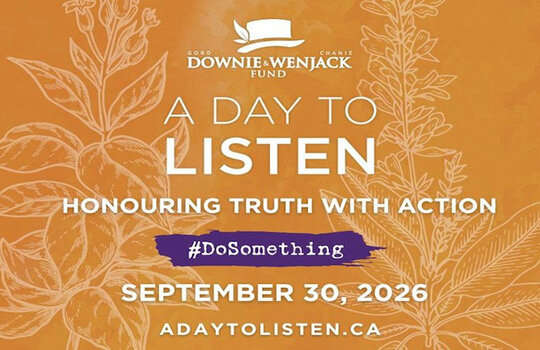
This movement is deeply rooted in a history of resistance. Decades before broader mainstream conversations around reconciliation began, pioneers like Mi'kmaq singer-songwriter Willie Dunn and iconic folk icon Buffy Sainte-Marie were penning sharp, uncompromising anthems that held a mirror up to the nation. Dunn’s 1978 ballad "Charlie," which chronicled the tragic story of Chanie Wenjack, laid the groundwork for generations of protest music that followed.
What makes today’s resurgence so vibrant is its sheer diversity of genre and expression. Artists are reclaiming traditional languages and oral histories that residential schools explicitly attempted to erase. Inuk throat singer Tanya Tagaq crafts visceral, avant-garde soundscapes that confront systemic injustice head-on. Hip-hop powerhouses like Snotty Nose Rez Kids and The Halluci Nation combine heavy sub-bass with razor-sharp lyricism, channeling the frustration, humor, and pride of a new generation. Meanwhile, songwriters like Aysanabee, Julian Taylor, and Digging Roots weave personal family histories of survival into soaring, anthemic melodies that resonate across genres.
Music is, at its core, storytelling. On a day dedicated to reflection, listening to these stories is one of the most vital actions we can take. To hear these songs is to witness both profound grief and undeniable resilience—a reminder that despite centuries of forced assimilation, Indigenous cultures are not only surviving, but thriving, innovating, and leading the country forward.
10 Songs for Truth and Reconciliation Day:
- Aysanabee – "We Were Here"
- Willie Dunn – "Charlie"
- Tanya Tagaq – "Tongues"
- Julian Taylor – "Seeds"
- Digging Roots – "Cut My Hair"
- Snotty Nose Rez Kids – "Savage Mob"
- Tom Jackson – "Lost Souls"
- Jayli Wolf – "Child of the Government"
- The Halluci Nation (feat. Northern Voice, Shad & Leonard Sumner) – "How I Feel"
- Rhonda Head – "500 Years"
 Remembering David Marsden: How "The Spirit of Radio" Shaped the Soul of The Bay 88.7
 New Music Monday: Five Tracks Bringing New Energy to The Countdown
 HFA inviting auditions for upcoming production of Annie
 Parry Sound’s Sully Burrows Named Breakthrough Artist at the 2026 CCMA Awards
 Inside the Stadium Tour Collapse That Forced Ed Sheeran to Speak Out







Comments
Add a comment