


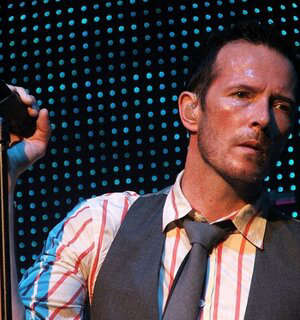
Remembering Scott Weiland 10 years after his death, the dynamic frontman of Stone Temple Pilots whose talent and struggles left a lasting mark on rock music.
Scott Weiland, the iconic lead singer of Stone Temple Pilots, passed away in 2015 at the age of 48 from a fatal heart attack. For many fans, his voice was unmistakable — rich, expressive, and capable of shifting effortlessly from hauntingly soft to explosively powerful. He left behind a musical legacy defined by both his talent and his turbulent life.
Born in San Jose, California, in 1967, Weiland rose to fame in the early 1990s as the frontman of Stone Temple Pilots. The band quickly became one of the most influential rock acts of the decade, blending grunge, alternative rock, and even touches of psychedelic sound into their music. Hits like “Plush,” “Interstate Love Song,” and “Vasoline” showcased not just the band’s musical skill, but Weiland’s versatility as a vocalist. His ability to convey emotion, from raw anger to delicate vulnerability, helped define the sound of 90s rock.
Weiland was more than just a member of Stone Temple Pilots; he was the public face of the band and a charismatic performer on stage. Fans remember his theatrical presence and willingness to take risks musically. His lyrics often reflected personal struggles, touching on themes like addiction, heartbreak, and self-discovery, making them resonate with listeners on a deep level.
In 2003, Weiland added another chapter to his career when he became the lead singer of Velvet Revolver. The supergroup included some of rock’s most famous names: Slash, Duff McKagan, and Matt Sorum, all formerly of Guns N’ Roses, along with Dave Kushner of Wasted Youth. Velvet Revolver allowed Weiland to explore a harder, more aggressive sound while still keeping the melodic sensibilities he was known for. Songs like “Slither” and “Fall to Pieces” highlighted both his distinctive voice and his knack for storytelling.
Despite his success, Weiland’s life was marked by personal struggles, including battles with substance abuse. These challenges often influenced his music, adding a layer of honesty and vulnerability that connected with fans worldwide. While his addiction issues sometimes led to tension within his bands, they also fueled the emotional intensity that defined his performances.
Weiland’s influence extended beyond just his bands. Many singers cite him as an inspiration for his fearless approach to vocal experimentation and his ability to move seamlessly between rock, grunge, and alternative styles. His work helped shape the sound of a generation and continues to inspire new artists today.
After decades in the spotlight, Weiland’s sudden passing at 48 was a shock to fans and fellow musicians alike. Tributes poured in from across the music world, honoring not just his talent, but his impact on rock music culture. Even years later, his songs remain staples on rock radio and streaming platforms, reminding listeners of a voice that could capture both the raw edge and melodic beauty of rock.
Scott Weiland will be remembered as a gifted, complex artist whose music continues to resonate. His life was a mix of brilliance and struggle, but the voice he shared with the world remains unforgettable.
Sources:
- Rolling Stone
- AllMusic
- Billboard
- NME
Image: This file is licensed under the Creative Commons Attribution-Share Alike 2.0 Generic license. Author: C Maranon
 Gravenhurst celebrates the 125th Anniversary of the Opera House
 A playlist for Friday The 13th
 Forty Years in the Big Chair: How Tears for Fears Conquered the World and Stayed There
 The Last Movement: The Virtuoso Who Redefined the Keyboard
 Northern Stars: The Battle for Canada’s Biggest Rock Band











Comments
Add a comment