

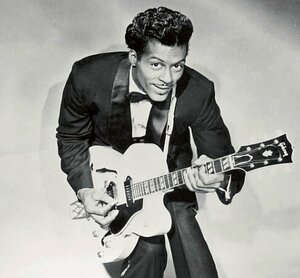
Chuck Berry’s 1956 anthem "Roll Over Beethoven" serves as the definitive rock 'n' roll manifesto, famously demanding that the classical masters make room for the electrified, jukebox-driven energy of a new generation.
In 1956, the musical landscape of America was a fault line ready to crack. On one side stood the "high art" of the classical conservatory and the polite, choreographed pop of the hit parade; on the other was a burgeoning, electric restlessness in the hands of a St. Louis guitar player named Chuck Berry. When Berry walked into Chess Records to cut "Roll Over Beethoven," he wasn't just recording a hit; he was filing a manifesto.
The song’s origins were rooted in a relatable bit of sibling rivalry. Berry’s sister, Lucy, would often monopolize the family piano to practice classical pieces, forcing Chuck to wait his turn to play his blues and boogie-woogie. That domestic friction sparked a lyrical revolution. By telling Tchaikovsky the news and ordering Beethoven to roll over, Berry was signaling a massive demographic shift. The "long-haired" music of the old world was being evicted by the "blue suede shoes" of the new.
Musically, "Roll Over Beethoven" is a masterclass in the Chuck Berry architecture. It opens with one of the most recognizable double-stop guitar intros in history—a clarion call that combined the swing of T-Bone Walker with a frantic, rhythmic urgency that felt entirely modern. The lyrics were a travelogue of the teenage experience: jukeboxes, "rhythm and blues" flu, and the physical sensation of music "shaking and moving" the listener.
When KEXP DJs spin this track today, they highlight it as the DNA for nearly everything that followed. It provided the blueprint for the British Invasion; the Beatles famously covered it, with George Harrison taking the lead, because they recognized it as the ultimate rock 'n' roll credential. It wasn't just a song about dancing; it was a song about the right to dance to something that belonged to the youth.
Berry’s genius lay in his literacy. He articulated the transition from the jazz era to the rock era with a wit that his peers couldn't match. By the time the final chord rings out, the message is clear: the masters of the past are respected, but they have to make room. The rhythm was changing, the tempo was rising, and Chuck Berry was driving the bus.
Sources:
- KEXP
- Chuck Berry: The Autobiography by Chuck Berry
- Chess Records
- Rolling Stone
Image: Public Domain. Author: Pickwick Records
 The Infinite Groove: Celebrating Pi Day Through the Lens of Music
 Gravenhurst celebrates the 125th Anniversary of the Opera House
 A playlist for Friday The 13th
 Forty Years in the Big Chair: How Tears for Fears Conquered the World and Stayed There
 The Last Movement: The Virtuoso Who Redefined the Keyboard












Comments
Add a comment