
Amidst the cold studios and rising tensions of January 1969, the Fab Four managed to set aside their differences to record one last chart-topping legacy.
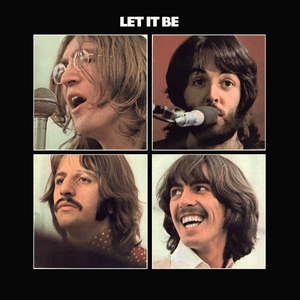
On the morning of January 2, 1969, four men walked into the drafty, cavernous Twickenham Film Studios in London. To any onlooker, they were the biggest stars on the planet. To themselves, they were a band on the brink of collapse. This was the beginning of what was intended to be a "return to roots" project for The Beatles, originally titled “Get Back”. It would eventually become their final released album, “Let It Be”.
The atmosphere that first morning was far from the polished magic fans heard on their records. The studio was freezing, the lighting was harsh, and the group was being trailed by film cameras capturing every rehearsal, every argument, and every yawn. Paul McCartney, acting as the de facto director of the group, wanted to strip away the complex studio tricks of their previous albums. His goal was simple: The Beatles playing live, together in a room, with no overdubs.
But the reality was complicated. After years of being the most famous people on earth, the individual Beatles were drifting apart. John Lennon was increasingly focused on his life with Yoko Ono, who sat by his side throughout the sessions. George Harrison was frustrated, feeling his songwriting was being sidelined by the dominant partnership of Lennon and McCartney. Ringo Starr, ever the professional, sat behind his drum kit, watching the friction build.
The tensions were caught in real-time. In footage that would later be famously restored for the 2021 docuseries “The Beatles: Get Back”, viewers see the moments of creative spark buried under layers of exhaustion. There is a famous scene where George and Paul argue over a guitar part, a moment that encapsulated the growing pains of a band that had outgrown its own frame. A few days into the sessions, George Harrison actually quit the band, walking out and telling the others, "See you ‘round the clubs."
It took a change of scenery and a new face to save the project. The band moved from the cold film studio to their own Apple Studios in the basement of their headquarters on Savile Row. They also invited keyboardist Billy Preston to join them. Preston’s presence acted as a "musical diplomat"; the band members were on their best behavior with a guest in the room, and his soulful electric piano gave the tracks the lift they needed.
Despite the internal heavy lifting, the music that emerged was legendary. During these weeks of January, songs like "Get Back," "Across the Universe," "The Long and Winding Road," and the title track, "Let It Be," took shape. The sessions culminated in the famous "Rooftop Concert" on January 30, 1969. Clad in heavy coats against the winter wind, The Beatles played their last public performance on top of their office building, bringing central London to a standstill until the police eventually shut them down.
The “Let It Be” album wasn't actually released until May 1970, more than a year after it was recorded and shortly after the band had officially broken up. Because of the messy nature of the sessions, the tapes were eventually handed to producer Phil Spector, who added orchestral strings and choirs—a move that famously annoyed Paul McCartney, who preferred the "naked" sound of the original takes.
When it finally hit the shelves, the world didn't care about the arguments or the cold mornings at Twickenham. The album shot to number one in the United Kingdom, the United States, Canada, and Australia. It served as a bittersweet farewell—a collection of songs that proved that even when they were falling apart, The Beatles could still create something that moved the entire world.
 The Week the Music World Belonged to Liverpool: Revisiting the Beatles' 1964 Chart Monopoly
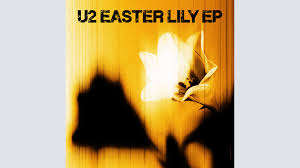 U2 Navigates Spiritual Renewal and Personal Inquiry on Surprise 'Easter Lily' EP
 A Family Affair: The Resurrection of Sublime
 The Ultimate "Digital Rug-Pull": A Soundtrack for the Strategically Pranked
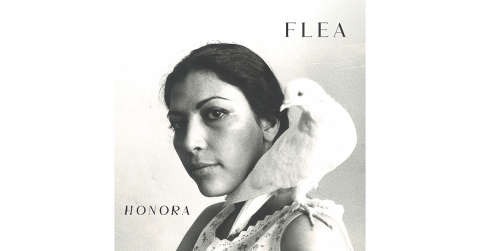 Flea Steps Out of the Funk Shadow with Jazz-Infused Solo Debut, "Honora"





Comments
Add a comment