
A look at the life and legacy of the guitarist who helped define Southern Rock and the "twin-guitar" sound
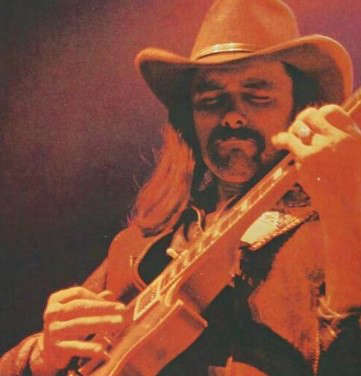
The music of the American South lost one of its most distinctive voices when Dickey Betts passed away at his home in Osprey, Florida, at the age of 80. The legendary guitarist, singer, and songwriter—a founding member of The Allman Brothers Band—succumbed to complications from cancer and chronic obstructive pulmonary disease. While his physical presence is gone, the melodic, "singing" quality of his guitar work remains a permanent fixture of rock history.
Betts was more than just a talented musician; he was a pioneer. Alongside Duane Allman, he formed what is widely considered one of the greatest guitar partnerships in the history of music. Before them, rock bands typically featured a "lead" guitarist and a "rhythm" guitarist. The Allman Brothers Band threw that template away.
Betts and Allman introduced a melodic twin-guitar harmony that allowed both players to weave intricate, simultaneous lines. This approach "rewrote the rules" for how two guitarists could collaborate, creating a lush, orchestral wall of sound that became the hallmark of the Southern Rock genre.
While the band was known for its improvisational jams and bluesy grit, Betts brought a unique flavor to the group. His style was a blend of jazz, country, and bluegrass, which helped the band cross over into the mainstream.
He was the mastermind behind some of the band’s most enduring hits:
"Ramblin’ Man": This 1973 track became the band’s biggest commercial success, reaching No. 12 on the US charts. Its catchy, country-inflected hook showcased Betts’ ability to write a radio-friendly hit without losing his technical edge.
"Jessica": An instrumental masterpiece named after his daughter, this track won a Grammy and remains a staple of classic rock radio.
"In Memory of Elizabeth Reed": A complex, jazz-inspired instrumental that became a centerpiece for the band’s legendary live performances.
"Blue Sky": A bright, optimistic track that featured some of the most celebrated harmony guitar solos ever recorded.
Even after the tragic death of Duane Allman in 1971, Betts stepped up to lead the band through its most commercially successful era. His influence can be heard in nearly every dual-guitar band that followed, from Thin Lizzy to Lynyrd Skynyrd.
In his final years, Betts lived quietly in Florida, but his induction into the Rock and Roll Hall of Fame in 1995 and his consistent ranking on "greatest guitarists of all time" lists ensured his place in the pantheon of music legends. He didn't just play the blues; he gave them a melody that helped a generation find its way home.
Sources:
- Official Statement from the Betts Family
- Rock and Roll Hall of Fame
- Billboard Charts
- Rolling Stone Magazine
Image: Public Domain
 How Bob Dylan Rewrote the Nobel Prize for Literature
 New Music Monday: New Hard-Hitting Rock and Roots Voices Power The Countdown
 The B-Side That Stole The Show
 90s Canadian Rock Icons I Mother Earth Set to Shake the Algonquin Theatre
 Dance, Dance, Dance to the Radio: How Joy Division’s “Transmission” Sparked a Legacy










Comments
Add a comment