
The changes affect multi unit buildings, rooming houses and two unit residential properties
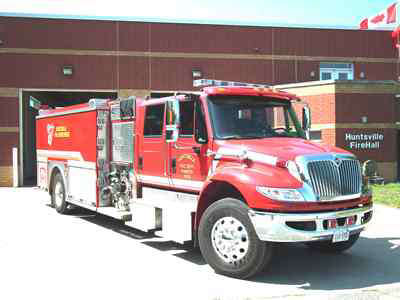
The Huntsville General Committee received a presentation on changes to the Fire Code during the May 27th, 2026, meeting.
The presentation highlighted changes affecting boarding, lodging and rooming houses, apartment buildings up to six storeys, and two-unit residential properties, and Committee was informed that the recent changes came into effect January 1st.
According to the presentation, the Fire Code is approaching it’s 50th anniversary, and the purpose of retrofit requirements is to bring existing buildings to an acceptable level of safety, generally reflecting safety standards from the era in which retrofit rules were originally established.
Officials noted that retrofit requirements focus primarily on fire containment, means of egress, fire detection and fire suppression.
For boarding, lodging and rooming houses, the 2026 code includes more restrictive flame-spread ratings in corridors and stairwells, requires adequate water supply for furnace-room sprinklers and now requires smoke alarms in each bedroom rather than only in hallways.
Changes affecting apartment buildings up to six storeys also expand how some boarding, lodging and rooming houses are classified and regulated under the code.
For two-unit residential buildings, including some duplexes, the updated code broadens applicability. While earlier rules only applied to duplexes existing before July 14, 1984, and required hardwired interconnected smoke alarms, the 2026 code applies to a wider range of duplex configurations under specified size and layout conditions. Wireless interconnected smoke alarms are now permitted, and Electrical Safety Authority inspections may occur at the discretion of the Fire Chief.
The presentation also outlined concerns related to enforcement and code application. Fire orders can override building code issuance requirements, and some fire department orders may rely on older compliance thresholds than those found in the current building code.
Officials outlined several enforcement measures currently used, including reviewing planning requirements on site, researching building permits and historical property information, conducting joint inspections between fire and building departments and determining the most appropriate life-safety measures for each building use.
Committee members discussed the potential for community education about the changes.
Fire Prevention Officer, Grant Murchison, advised that the Fire Department has a list of buildings “already known” who they will contact directly, to avoid confusion in the community.
Other options discussed were to inform the real estate industry of the changes to help get information out as well.
Councillor, Helena Renwick, expressed concern about how people will know about the changes and suggested a proactive approach.
The Town’s Chief Building Official, Christopher Nagy, advised that hopefully this presentation will help, and indicated that staff can also work with property owners with additional questions and guidance to ensure their property is safe.
 Muskoka Fire Danger Rating Update
 Huntsville General Committee backs proposed updates to vehicle-for-hire bylaw
 Huntsville projects preliminary $428,000 year-round deficit for 2026
 OPP alert homeowners of seasonal scams
 Police seek help identifying dirt bike rider












Comments
Add a comment