
From the haunting acoustic harmonies of the 1960s to the global dancefloor phenomenon of Saturday Night Fever, we explore the unmatched songwriting legacy of the Bee Gees and the unforgettable voice of the late Robin Gibb.
The story of the Bee Gees is a masterclass in the art of creative reinvention, anchored by a vocal blend that only shared DNA could produce. The deep-seated legacy of the group was brought into sharp focus in May 20, 2012, when 62-year-old singer, songwriter, and co-founder Robin Gibb lost his battle with colorectal cancer and advanced pneumonia. His passing marked the silencing of a distinct, trembling vibrato that had defined the landscape of pop and rock music. Alongside his older brother Barry and his twin brother Maurice, Robin spent five decades proving that a true musical brotherhood can weather any cultural shift, transforming themselves from British-born lads singing for coins in Australia into the definitive soundtrack of a global movement.
Long before the bright lights of Miami or the soaring falsettos of the 1970s, the brothers were honing their harmonies as children, singing for pocket change and performing at local speedways. By the time they returned to England in 1967, they were a seasoned, fiercely ambitious unit. They immediately caught the ear of manager and producer Robert Stigwood, who recognized that their intricate three-part harmonies could rival any act on the British invasion scene.
The trio’s initial wave of international fame was built on a foundation of lush, beautifully melancholic pop. Songs like the soulful, brass-tinted ballad "To Love Somebody"—originally envisioned by Barry and Robin for soul legend Otis Redding—showcased the brothers' uncanny ability to convey deep, mature emotional urgency well beyond their years. Soon after, the haunting, folk-infused narrative of "Massachusetts" soared to the top of the UK charts and became their first major global number-one hit. It was a song that captured the zeitgeist of the late-1960s travel-weary generation, delivered with a stark, acoustic sincerity that relied heavily on Robin's aching lead vocals.
This pre-disco era was defined by incredible versatility. The brothers could pivot from the dark, cinematic tension of "New York Mining Disaster 1941"—their breakthrough single that famously had American DJs mistaking them for The Beatles—to the sweeping, operatic heartbreak of "I Started a Joke". These early tracks were structurally complex, deeply melodic, and grounded in a traditional singer-songwriter ethic that favored acoustic guitars, piano, and rich string sections over a dance beat.
Yet, as the 1970s progressed, the music landscape shifted. Instead of fading into nostalgia, the Bee Gees pulled off one of the most spectacular genre shifts in music history. Relocating to Miami and collaborating with legendary R&B producer Arif Mardin, they began experimenting with driving dance rhythms and a breathy, falsetto vocal style. They handed over five original tracks for a low-budget film about the working-class dance scene in Brooklyn, New York—a little project called Saturday Night Fever.
Tracks like "Stayin' Alive," "Night Fever," and the gorgeous ballad "How Deep Is Your Love" turned the soundtrack into a global phenomenon, eventually moving more than thirty million copies worldwide. Overnight, the Bee Gees helped make disco a dominant global force. The image of the brothers in matching white suits, singing in tight, sky-high harmonies, became the visual and sonic shorthand for an entire era of nightlife and escapism.
Though a sharp cultural backlash against the ubiquity of disco would later challenge their radio presence, the enduring brilliance of the Gibb brothers' catalog outlived any fleeting trends. Their induction into the Rock and Roll Hall of Fame and the Songwriters Hall of Fame cemented what true music lovers always knew: behind the flashing dancefloor lights and the vintage 1960s strings lay an unmatched, lifelong dedication to the craft of the song. Fourteen years after Robin's passing, the music he created with Barry and Maurice continues to pulse through the airwaves, a timeless testament to three brothers who conquered the world with a song.
Sources:
- Wikipedia
- EBSCO Research Starters
- AARP Entertainment
- BeeGees.com
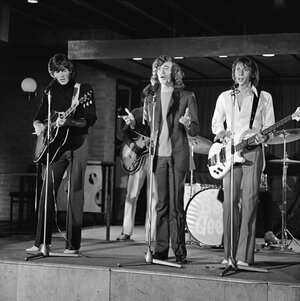
Image: This file is licensed under the Creative Commons Attribution-Share Alike 3.0 Netherlands license. Author: NCRV
 Jack, Diane, and the Summer of '82: How John Mellencamp Made Chart History
 How Toots Hibbert Gave Reggae Its Name and Soul
 On This Day: Nirvana’s ‘Smells Like Teen Spirit’ Rewrites Rock History
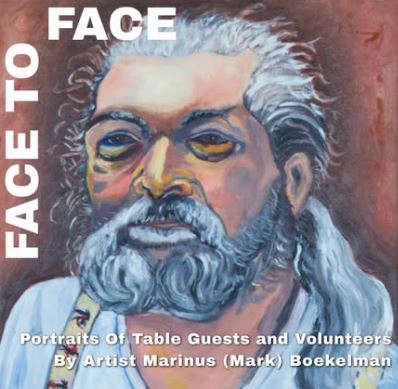 New Art Exhibition Puts a Human Face on Huntsville’s Food Insecurity
 Light 'Em Up: Zippo's Ultimate Lighter-in-the-Air Anthem








Comments
Add a comment