


In late 1966, Stephen Stills sat down with an acoustic guitar to document a tense standoff between young music fans and the Los Angeles Police Department
In late 1966, Stephen Stills sat down with an acoustic guitar to document a tense standoff between young music fans and the Los Angeles Police Department, inadvertently writing one of the most enduring protest songs in American history.
In November 1966, the cultural battleground of Los Angeles was the Sunset Strip. Local business owners and residents, annoyed by the massive crowds of young people flocking to rock clubs like Pandora’s Box and the Whisky a Go Go, pressured the city to enforce a strict 10:00 p.m. curfew and anti-loitering laws. On November 12, thousands of young protesters—including celebrities like Jack Nicholson and Peter Fonda—gathered outside Pandora’s Box to rally against the club's impending demolition and the police crackdowns. The peaceful demonstration quickly escalated when riot police moved in to clear the streets, resulting in dozens of arrests.
Watching the events unfold from a distance, 21-year-old Stephen Stills was struck by the sudden, volatile friction between authority and youth culture. Within days, he wrote "For What It’s Worth." Although the song is universally remembered as an anti-Vietnam War anthem, Stills originally intended it as a real-time report on the Sunset Strip riots. The lyrics capture the creeping paranoia of a standoff, warning listeners to pause and take notice of the tension in the air before things spiral out of control, while pointing out the futility of taking rigid sides when nobody is actually right.
Interestingly, the song's famous title never appears in the lyrics. According to Stills, he presented the track to Atlantic Records executive Ahmet Ertegun by saying, "I have this song here, for what it's worth, if you want it." Ertegun liked the phrase so much he insisted it become the official title, though the record label quickly added the parenthetical subtitle "(Stop, Hey What's That Sound)" to help radio listeners identify the hook. Recorded in December 1966 and rushed onto Buffalo Springfield's debut album, the track became the band's only Top 10 hit, peaking at number seven on the Billboard Hot 100 in early 1967.
Because its themes of paranoia, civil unrest, and generational divide are deliberately broad rather than tied to specific dates or politicians, "For What It’s Worth" quickly transcended its Sunset Strip origins. As the Vietnam War escalated, the song was adopted by the anti-war movement, and over the decades it has become a staple soundtrack for any moment of social upheaval.
That universality has also made it a favorite for cover versions across vastly different genres. Just months after Buffalo Springfield's release, soul legends The Staple Singers recorded a gospel-infused rendition in 1967 that highlighted the song's moral urgency, followed closely by Cher and Lou Rawls.
In 1998, Public Enemy sampled and reimagined the track as "He Got Game" for Spike Lee’s film of the same name—even bringing Stephen Stills in to re-record his vocals and guitar parts—proving how seamlessly the song’s warning translated to modern systemic struggles. Later interpretations by artists ranging from Rush and Ozzy Osbourne to Billy Porter have stripped it down or amplified its rock edges, yet the core message remains intact: a timeless call to stop, look around, and question the chaos.
Sources
- Rolling Stone
- Songfacts
- Los Angeles Times
- NPR
 Western Space Grunge Goes Platinum: Dexter and the Moonrocks Conquer 2026
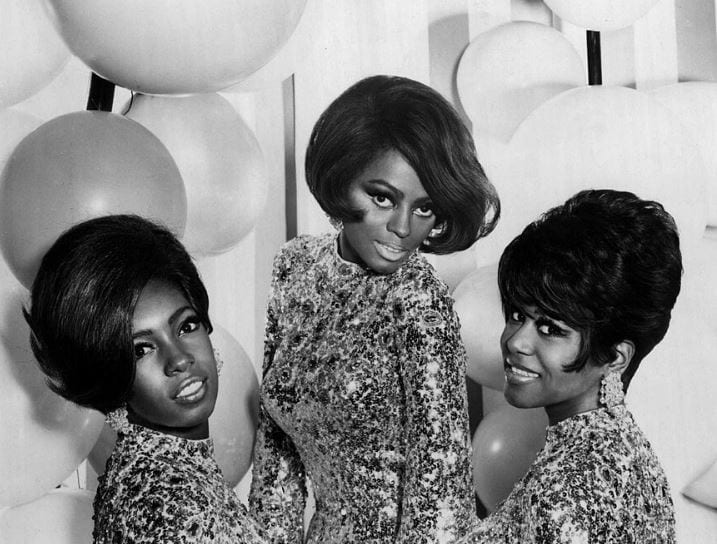 On This Day in 1964, The Supremes break the "glass ceiling"
 How Rush first went on tour without the drummer who made the album
 Inside the 2026 Rock & Roll Hall of Fame Induction Ceremony
 New Music Monday: shoegaze haze, Heavy rock collaborations, gritty americana, and Canadian alt-rock fire up the chart







Comments
Add a comment