
Baby Love propelled them to the top of the charts and changed music
In the fall of 1964, popular music was firmly in the grip of the British Invasion. Across the United States and the United Kingdom, radio airwaves belonged almost exclusively to mop-topped rock bands from Liverpool and London. Yet, amid the roar of electric guitars, a sleek, shimmering sound from Detroit’s Hitsville U.S.A. was quietly preparing to rewrite pop history. When The Supremes released “Baby Love” in September 1964, they didn't just drop another radio single—they sparked a cultural shift that would redefine the global music industry.
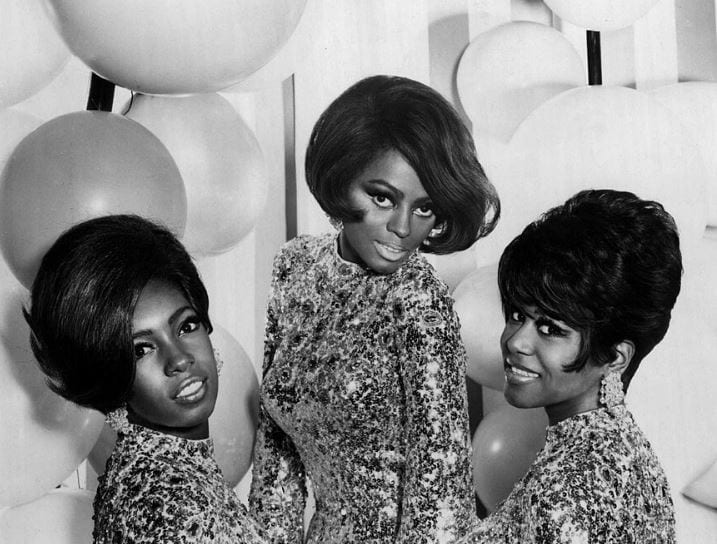
Before that watershed year, Diana Ross, Mary Wilson, and Florence Ballard were known affectionately around the Motown offices as the "no-hit Supremes." While labelmates like The Miracles and Mary Wells were climbing the charts, the trio struggled to find their sonic footing. Everything changed when they teamed up with Motown’s legendary songwriting and production powerhouse, Holland-Dozier-Holland. The trio of Brian Holland, Lamont Dozier, and Eddie Holland had already struck gold with the group earlier that summer via “Where Did Our Love Go,” which gave The Supremes their first taste of the top spot in America.
To prove that initial triumph wasn't a fluke, Holland-Dozier-Holland crafted “Baby Love” using the exact same infectious blueprint: a mid-tempo, foot-stomping beat driven by the Funk Brothers, punctuated by bright handclaps, a hypnotic baritone saxophone, and Diana Ross’s breathy, pleading vocal delivery.
The gamble paid off almost immediately. Across the Atlantic, “Baby Love” captured the imagination of British listeners, propelling The Supremes to the top of the UK Singles Chart in November 1964. In doing so, they made history as the first all-female group ever to score a No. 1 hit in the United Kingdom—a monumental feat achieved right on the home turf of the British Invasion.
Back in the United States, the single proved just as unstoppable. “Baby Love” soared to No. 1 on the Billboard Hot 100, making The Supremes the very first Motown act to achieve more than one chart-topping US hit.
That back-to-back success opened the floodgates. Rather than slowing down, The Supremes turned chart dominance into a routine, rattling off a dizzying string of classics including “Come See About Me,” “Stop! In the Name of Love,” and “Back in My Arms Again.” By the end of their historic run, they had amassed a staggering total of 12 No. 1 US hits—more than any other act in Motown history, cementing their status as the crown jewels of Berry Gordy’s empire.
The cultural footprint of “Baby Love” extended far beyond immediate sales figures. The single earned The Supremes a prestigious Grammy nomination for Best R&B Recording, validating the crossover appeal of the "Sound of Young America." Decades later, its enduring brilliance was formally canonized when Rolling Stone placed the Holland-Dozier-Holland classic on its coveted list of the 500 Greatest Songs of All Time.
More than sixty years after it first spun on turntables, “Baby Love” remains a masterclass in pop perfection—the defining moment three young women from Detroit took on the world and won.
Tune into The Bay, for the Motown Sound and more with Jason Harnett on JTrain, Monday's at 6pm!
Sources
- Billboard Hot 100
- Official UK Singles Chart
- Recording Academy (Grammy Awards)
- Rolling Stone’s "500 Greatest Songs of All Time"
Image: Public Domain Author: GAC-General Artists Corporation-IMTI-International Talent Management Inc.
 How Rush first went on tour without the drummer who made the album
 Inside the 2026 Rock & Roll Hall of Fame Induction Ceremony
 New Music Monday: shoegaze haze, Heavy rock collaborations, gritty americana, and Canadian alt-rock fire up the chart
 DJ and folk-rocker Stephen Stanley brings secret show to Port Sydney
 Anarchy In The Charts: How 12 tracks of punk rage rewrote modern rock radio











Comments
Add a comment