
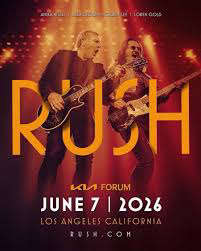
With virtuoso Anika Nilles on the drum throne, Geddy Lee and Alex Lifeson shatter an eleven-year silence
The house lights dropped, a familiar wave of static hummed through the arena speakers, and 17,000 pairs of eyes locked onto the stage. For 3,964 days, this specific space had been quiet. But on Sunday night at the Kia Forum in Los Angeles, the silence didn't just break—it shattered.
Geddy Lee stood stage right, a double-neck Rickenbacker bass slung over his shoulder. Across from him, Alex Lifeson hoisted a double-neck Gibson SG. Without a word of greeting, they launched into the mystical, birdsong-and-synth intro of "Xanadu." It was a breathtaking statement of intent: a sprawling, nine-minute progressive rock masterpiece from 1977 that had never once opened a Rush concert in the band's half-century history.
This is the "Fifty Something" tour, a momentous, highly anticipated return that many believed would never happen. Eleven years ago, at this exact same venue, Rush played the final show of their R40 anniversary tour. It was the last time the world would see the holy trinity of Canadian rock together before legendary drummer and lyricist Neil Peart passed away from glioblastoma in 2020.
For years, Lee and Lifeson maintained that Rush died with Peart. Yet, the itch to create and connect never truly faded. The catalyst for this new chapter arrived in the form of Anika Nilles, a virtuoso German drummer known for her staggering technical fluidity and past work with Jeff Beck. When Nilles joined Lee and Lifeson at Canada’s Juno Awards in March for a raw, blistering performance of their earliest classic, "Finding My Way," the blueprint for a rebirth was drawn.
Taking the stage on Sunday, Nilles faced the ultimate classic rock crucible. Behind her sat a formidable kit; ahead of her lay a 24-song setlist notorious for its shifting time signatures, sudden tempo shifts, and decades of fan expectations. She didn't merely replicate Peart’s parts—she inhabited them, channeling his clockwork precision while infusing the grooves with her own modern, aggressive pocket. Alongside the core duo and newly added touring keyboardist Loren Gold, the revamped lineup sounded remarkably lean and muscular.
The concert structure was divided into two distinct acts, designed to reward the hardcore fanbase while honoring the empty space at the back of the stage. The first set leaned heavily into flawless, tight executions of massive radio staples like "Limelight" and the driving synth-rock anthem "Subdivisions." The crowd roared as the band effortlessly slid into the intricate riffs of "Freewill" and the heavy, soaring grooves of "Far Cry."
During "Bravado," the emotional weight of the evening peaked. As Lifeson soared through his emotional guitar solo, a massive visual tribute collage of Peart illuminated the stadium screens. Lee dedicated the performance to his fallen "brother," drawing a thunderous standing ovation that seemed to shake the rafters. They closed out the first half by unleashing the timeless arena-rock energy of "The Spirit of Radio" and the complex, multi-tiered instrumental journey of "La Villa Strangiato."
Set two dug deeper into the band's rich mythology, kicking off after a brief intermission with the dramatic cinematic track "Countdown." The group then delivered a truncated, heavy three-part suite of their dystopian epic "2112," standardizing the crowd into a sea of pumping fists during "The Temples of Syrinx." The iconic hits and deep cuts followed thick and fast: the frantic, syncopated rhythms of "Vital Signs," the driving keyboards of "Distant Early Warning," and the roaring, cinematic fan-favorite "Red Barchetta."
The stage took an unexpected detour into pure, spine-chilling nostalgia when singer-songwriter Aimee Mann made a rare guest appearance. Walking out to a roar of surprise, she recreated her haunting backing vocals on the iconic 1987 hit "Time Stand Still"—marking the first time she had shared a stage with Rush since 2011. The momentum only grew from there; following the dark, synth-heavy power of "Red Sector A," the band brought the main set to a breathtaking close with a powerful one-two punch. First came the instrumental masterclass "YYZ," which served as the perfect launchpad for Nilles to unleash a staggering, polyrhythmic drum solo. That was immediately followed by the philosophical majesty of "The Garden," the poignant final track from their last studio album, Clockwork Angels.
By the time the band returned for a fierce encore consisting of the mythical battle piece "By-Tor & The Snow Dog" and their 1974 blues-rock debut "Working Man," the narrative of the night was clear. This wasn't a hollow nostalgia trip or a somber memorial service. It was a celebration of survival. Lee’s vocals held a warm, seasoned grit, and Lifeson played with the fiery, improvisational joy of a musician half his age.
The "Fifty Something" tour was initially drawn up as a modest 22-date run. It immediately sold out, exploding into a massive 58-show global itinerary that will stretch into South America and Europe by 2027. If opening night in Los Angeles proved anything, it’s that while the future of Rush looks vastly different, the band's spirit remains entirely undiminished. They are back on the road, adjusting the clocks, and once again making time stand still.
Sources:
- Far Out Magazine
- Blabbermouth
- Classic Rock Magazine
- Chaoszine
- Guitar World
 How Bob Dylan Rewrote the Nobel Prize for Literature
 New Music Monday: New Hard-Hitting Rock and Roots Voices Power The Countdown
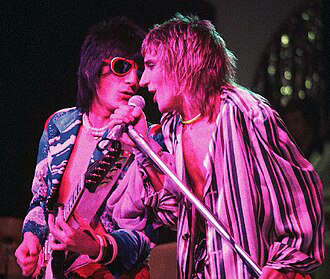 The B-Side That Stole The Show
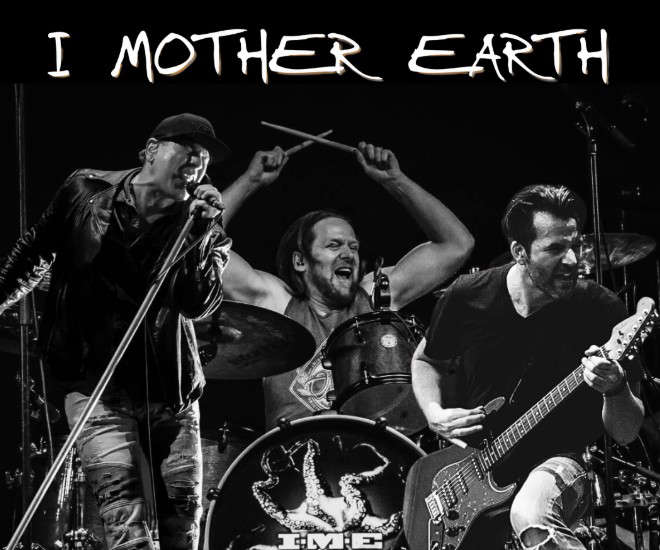 90s Canadian Rock Icons I Mother Earth Set to Shake the Algonquin Theatre
 Dance, Dance, Dance to the Radio: How Joy Division’s “Transmission” Sparked a Legacy








Comments
Add a comment