Forty years after it hijacked global airwaves, the wild story of "Relax" remains pop’s ultimate paradox
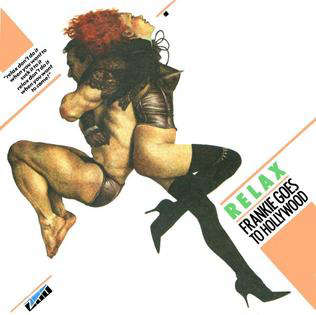
When singer Holly Johnson first hummed the initial melody of "Relax" while walking down Princes Avenue in Liverpool in the early 1980s, he envisioned a catchy, provocative pop tune. What it ultimately became—under the meticulous studio perfectionism of producer Trevor Horn—was a multi-platinum cultural shockwave that redefined synth-pop and tested the limits of 1980s broadcast censorship.
The Studio Crucible: Rebuilding "Relax"
Following a performance of a raw, leather-clad rendition of "Relax" on Channel 4’s The Tube, former Buggles frontman and producer Trevor Horn signed Frankie Goes to Hollywood to his fledgling ZTT Records label. However, translating the group's live energy into a polished commercial release proved to be an arduous process spanning several months. Horn initially recorded the band at Manor Studios, but soon determined that the young ensemble struggled to achieve the precise timing required to synchronize with electronic sequencers. Determined to construct a pristine, hi-NRG dance track, Horn discarded three complete iterations of the song. At one stage, he engaged Ian Dury’s backing band, The Blockheads, to record a backing track, only to abandon those tapes for sounding overly traditional.
The Secret Session Players: Debunking the Lineup
Speculation persisted for years regarding whether the members of Frankie Goes to Hollywood actually performed on their breakthrough recording. Historical records confirm that these allegations were largely accurate. On the final master mix completed at Sarm West Studios in London, only lead vocalist Holly Johnson and backing singer Paul Rutherford contributed audio. Instrumental performance fell entirely to a specialized team of studio musicians and production associates. Keyboardist Andy Richards provided the signature Roland Jupiter-8 synthesizer progressions, while engineer J.J. Jeczalik managed the Fairlight CMI sampling and LinnDrum programming. Audio engineer Stephen Lipson executed the electric guitar parts. The remaining band members—bassist Mark O’Toole, drummer Peter Gill, and guitarist Brian Nash—were absent from the instrumental instrumentation, their audible presence restricted to a custom audio sample generated from ambient splashes in the studio swimming pool.
Moral Panic, the BBC Ban, and Chart Domination
Released in late 1983, "Relax" initially experienced modest chart traction. The trajectory altered dramatically in January 1984 following an appearance on Top of the Pops. Days later, BBC Radio 1 disc jockey Mike Read publicly denounced the single during a live broadcast, refusing to play the record on the grounds of its suggestive lyrical content. The BBC subsequently instituted a formal broadcasting ban across its television and radio networks. Compounded by Bernard Rose's provocative music video, which was withdrawn from television rotation, the single became the center of a national media controversy.
Rather than diminishing commercial interest, the censorship amplified public demand. Supported by ZTT co-founder Paul Morley’s promotional campaign, which introduced bold block-printed apparel featuring the slogan "FRANKIE SAY RELAX", the single ascended to Number 1 on the UK Singles Chart, maintaining the top spot for five weeks in a row. By the time broadcasting restrictions were lifted, "Relax" had achieved multi-platinum status internationally, demonstrating the immense commercial power of institutional controversy.
Sources
- Sound on Sound Magazine
- The Guardian
- Produce Like A Pro
- Official UK Singles Chart
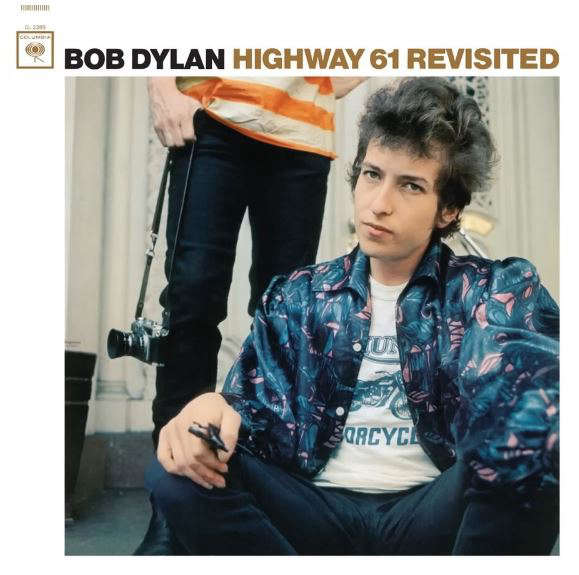 How Bob Dylan Rewrote the Nobel Prize for Literature
 New Music Monday: New Hard-Hitting Rock and Roots Voices Power The Countdown
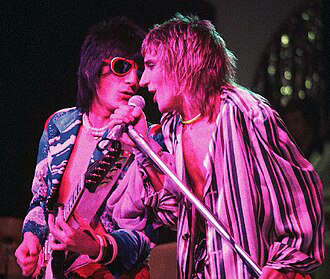 The B-Side That Stole The Show
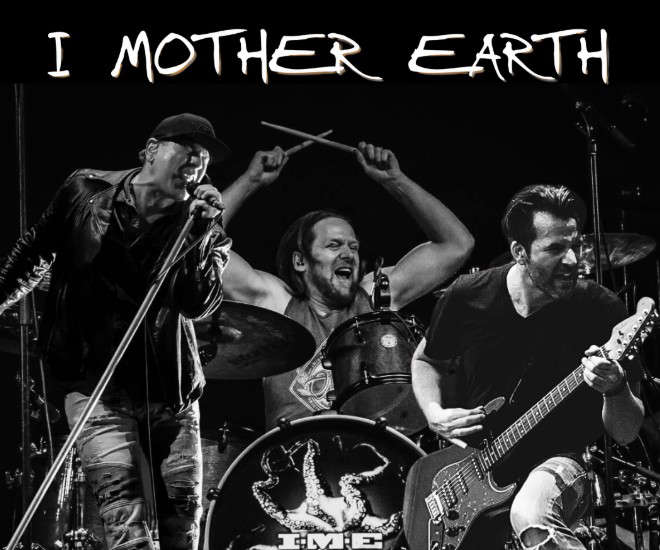 90s Canadian Rock Icons I Mother Earth Set to Shake the Algonquin Theatre
 Dance, Dance, Dance to the Radio: How Joy Division’s “Transmission” Sparked a Legacy








Comments
Add a comment