
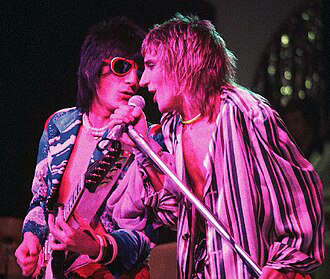
How Rod Stewart’s accidental hit "Maggie May" flipped the record industry on its head and crowned a new rock icon on October 9, 1971.
On October 9, 1971, the Official UK Singles Chart crowned a new king when Rod Stewart’s "Maggie May" reached No. 1. It was a monumental milestone that almost never came to pass. Months earlier, executives at Mercury Records were convinced they had a guaranteed smash in a completely different track. Stewart, then the raspy-voiced frontman of The Faces, was releasing "Reason to Believe"- a soulful, beautifully crafted cover written by Tim Hardin - as the lead single for his third solo album, Every Picture Tells a Story.
To fill the standard space on the vinyl single’s flip side, Stewart and co-writer Martin Quittenton submitted an unconventional, sprawling track that barely made the cut for the record at all. Running over five minutes long, the composition lacked a standard chorus, featured an uncredited acoustic mandolin riff, and spun a bittersweet, semi-autobiographical tale about a young man seduced by an older woman.
The song was "Maggie May."
Radio DJs, however, paid little attention to corporate strategy. As copies of the 45 rpm record hit radio stations across Britain and North America, disc jockeys flipped the disc over. Finding the heartfelt folk-rock storytelling and mandolin hooks of "Maggie May" far more infectious than the intended A-side, they began playing it on high rotation. Listeners responded instantly, swamping switchboards to request the "B-side."
By the time it claimed the top spot on October 9, 1971, the song’s momentum was unstoppable. It anchored itself at No. 1 in the UK for five consecutive weeks, repeating the same five-week reign across the Atlantic on the Billboard Hot 100 and launching Stewart from a critically acclaimed cult rocker into an international superstar virtually overnight.
What made "Maggie May" an enduring masterpiece was its departure from standard pop formulas of the era. Built around Ray Jackson’s soaring mandolin, Ron Wood’s ringing guitars, and Stewart’s unmistakable gravelly vocal execution, the song struck a rare balance between bittersweet nostalgia and raw, energetic rock. Stewart’s narrative - recounting his real-life first sexual encounter at the 1961 Beaulieu Jazz Festival - resonated with listeners who recognized the universal tension between youthful infatuation and the inevitable call to grow up.
More than five decades later, "Maggie May" remains a landmark moment in rock history - a timeless reminder that sometimes the greatest hits are the ones nobody saw coming.
Sources:
- Official Charts Company
- Billboard
- Every Picture Tells a Story album liner notes
- Stewart, Rod. Rod: The Autobiography.
Image: This file is licensed under the Creative Commons Attribution-Share Alike 3.0 Unported license. Author: Jim Summaria
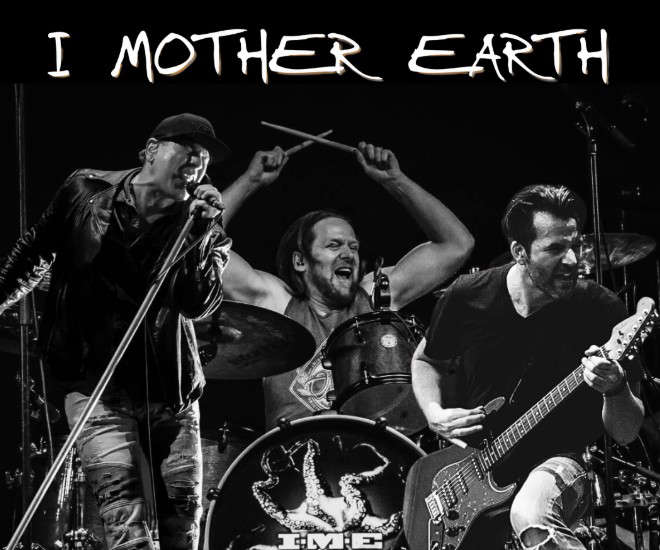 90s Canadian Rock Icons I Mother Earth Set to Shake the Algonquin Theatre
 Dance, Dance, Dance to the Radio: How Joy Division’s “Transmission” Sparked a Legacy
 Remembering Eddie Van Halen
 New Music Monday: Heavyweight Icons and Indie Rising Stars Reshape The Countdown
 Unfiltered, Unapologetic, Unforgettable: Sass Jordan Dead at 63









Comments
Add a comment