

From the frantic, post-punk urgency of "Transmission" to the tragedy of Ian Curtis's death, exploring how one band's raw pain catalyzed the rise of New Order and reshaped modern music
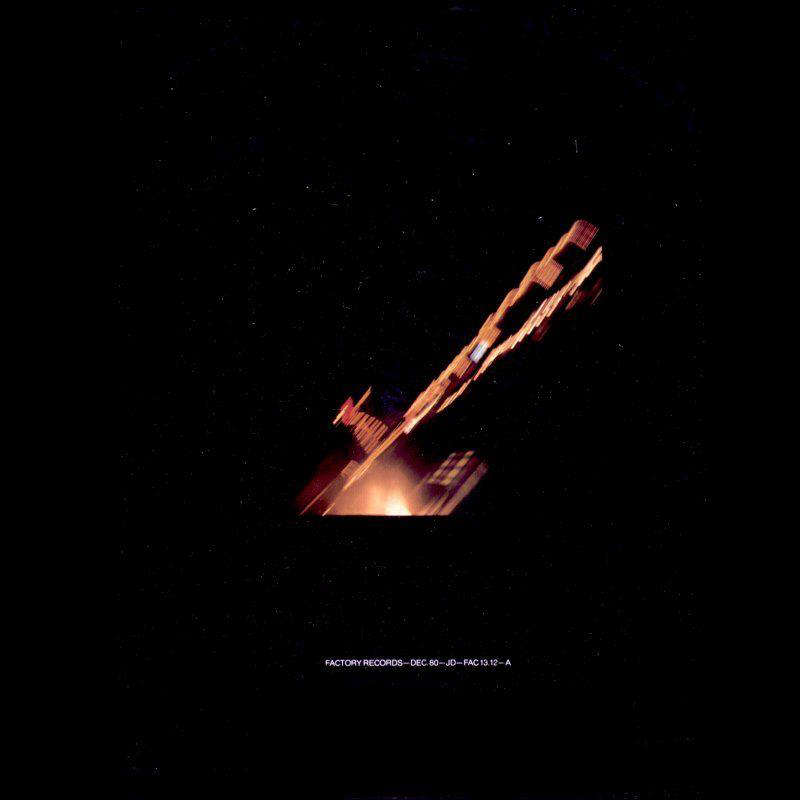
On October 7, 1979, Factory Records released "Transmission," the standalone debut single from a brooding young Manchester outfit called Joy Division. First laid down in 1978 during aborted sessions for a self-titled album, the track was re-recorded at a blistering, urgent tempo under the guidance of producer Martin Hannett. Released just months after their acclaimed debut album, Unknown Pleasures, hit store shelves, "Transmission" didn't just capture a moment in post-punk—it electrified it. Built around Peter Hook’s driving bassline, Stephen Morris’s mechanical drumming, Bernard Sumner’s sharp guitar riffs, and Ian Curtis’s mesmerizing, hypnotic vocal performance, the track became a touchstone of the era, eventually named by NME in 2007 as one of the 50 "Greatest Indie Anthems Ever."
Yet beneath the frenetic rhythm of "Transmission" lay a deeply troubled soul. Frontman Ian Curtis was fighting an increasingly grueling battle on two fronts: severe, worsening epilepsy and profound clinical depression. In an era when neurological conditions and mental health struggles carried heavy social stigma, Curtis faced erratic seizures, intense medication side effects, and the psychological toll of an escalating performance schedule. His signature "dancing" on stage—a erratic, flailing series of movements—often mirrored the terrifying involuntary spasms of his epileptic fits, blurring the line between artistic expression and agonizing reality.
As the band stood on the precipice of an international breakthrough, preparing to embark on their first North American tour in May 1980, the weight became unbearable. On May 18, 1980, Ian Curtis died by suicide at his home in Macclesfield at the age of 23. His sudden passing sent shockwaves through the music world, halting Joy Division just as their landmark second album, Closer, and the iconic single "Love Will Tear Us Apart" were set for release.
Refusing to let Curtis's memory or their collective artistic drive end in tragedy, the surviving members—Sumner, Hook, and Morris—honored a pact they had made early on: if any member left, the band would change its name and carry on. Joining with keyboardist Gillian Gilbert, they reconstituted as New Order. Transmuting their grief into a revolutionary fusion of post-punk, synth-pop, and club music, New Order went on to define the sound of the 1980s with hits like "Blue Monday" and "Bizarre Love Triangle."
Decades later, Ian Curtis’s spirit remains an undeniable presence on stage. New Order's current touring lineup still regularly pays homage to their origins, closing live shows with emotional renditions of "Love Will Tear Us Apart"—a poignant reminder of the enduring art born from pain, and the voice that started it all.
Sources
- NME
- Factory Records
- Middles, Mick & Curtis, Lindsay: Torn Apart: The Life of Ian Curtis (2006)
- Hook, Peter: Unknown Pleasures: Inside Joy Division (2012)
 Remembering Eddie Van Halen
 New Music Monday: Heavyweight Icons and Indie Rising Stars Reshape The Countdown
 Unfiltered, Unapologetic, Unforgettable: Sass Jordan Dead at 63
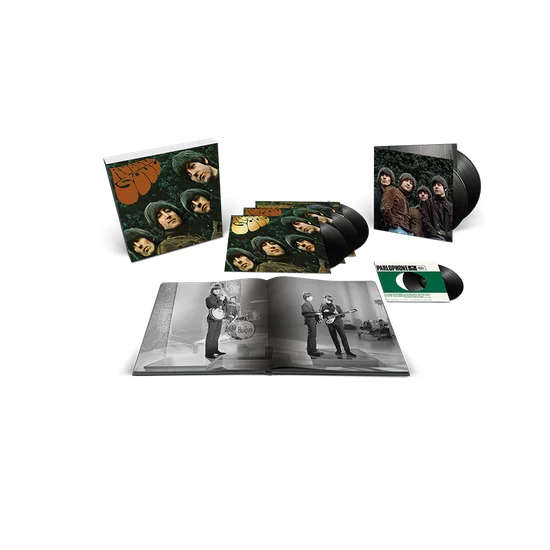 The Beatles Return to Rubber Soul With an Expanded Edition
 Food For Thought art exhibition explores food, nourishment and community







Comments
Add a comment