


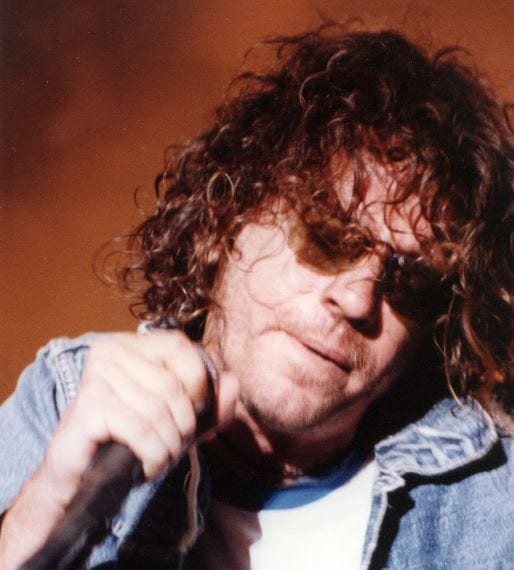
Found dead in a Sydney hotel room on November 22, 1997, the charismatic frontman left behind a towering legacy of swagger, soul, and arena-shaking hits
When news broke on November 22, 1997, that Michael Hutchence had been found dead in Room 524 of the Ritz-Carlton hotel in Sydney’s Double Bay suburb, it felt like the sudden extinguishing of one of rock music’s brightest, most magnetic flames. At just 37 years old, the Australian singer and songwriter had spent two decades defining what it meant to be a modern frontman—a captivating blend of Jim Morrison’s poetic danger, Mick Jagger’s hip-swiveling command, and a distinctly Australian sense of effortless cool.
Born Michael Kelland John Hutchence in Sydney on January 22, 1960, his early life was anything but stationary. Raised largely in Hong Kong before returning to Australia as a teenager, Hutchence developed a cosmopolitan worldview and a restless creative energy early on. In 1977, while still in high school in Sydney, he crossed paths with brothers Andrew, Tim, and Jon Farriss, alongside Garry Gary Beers and Kirk Pengilly. Initially performing under the name The Farriss Brothers, the six-piece outfit officially became INXS in 1979, embarking on a relentless pub-rock touring schedule across Australia that honed them into one of the tightest live acts in the world.
While the Farriss brothers provided the muscular, funk-infused backbone of the band's sound, Hutchence was its undeniable focal point. As co-founder, lead singer, and primary lyricist, he possessed a rich, supple baritone capable of shifting from a breathless, intimate whisper to a towering, arena-filling roar within a single verse. On stage, he moved with a sinuous, hypnotic grace, locking eyes with fans in the back rows and making massive stadiums feel like crowded, sweat-drenched clubs.
Throughout the 1980s, INXS steadily conquered the globe, bridging the gap between post-punk edge, dance-floor grooves, and radio-ready pop-rock. Early international breakthrough singles like "The One Thing," "Don't Change," and the Nile Rodgers-produced "Original Sin" introduced North American and European audiences to their kinetic sound. By 1985, the album Listen Like Thieves pushed them into the upper echelon of rock radio, powered by the sleek, horn-laced groove of "What You Need," which cracked the U.S. Top 5.
Everything crystallized in 1987 with the release of Kick, a multi-platinum cultural juggernaut that topped charts across North America and cemented INXS as global superstars. The album was a non-stop parade of era-defining singles, led by the sultry, minimalist funk of "Need You Tonight"—which hit No. 1 in the United States—and followed by three more U.S. Top 10 hits: the exuberant "New Sensation," the brooding, guitar-driven "Devil Inside," and the sweeping, orchestral ballad "Never Tear Us Apart". Alongside enduring favorites like "Mystify," the record turned INXS into MTV staples and stadium headliners. The band maintained that momentum into the 1990s with their chart-topping album X, delivering two more massive Top 10 hits in "Suicide Blonde" and "Disappear," followed by later fan favorites such as "Beautiful Girl" and "Elegantly Wasted". With Hutchence at the helm, INXS went on to sell more than 50 million records worldwide, making them one of Australia’s highest-selling and most influential musical exports of all time.
Yet beneath the leather-clad confidence and tabloid glamour, Hutchence’s final years were marked by personal turbulence and physical trauma. In 1992, a violent altercation with a taxi driver in Copenhagen left him with a fractured skull, resulting in the permanent loss of his senses of taste and smell—an injury friends later noted triggered bouts of deep depression and erratic mood swings. By late 1997, INXS had returned home to Australia to launch their 20th-anniversary tour, a homecoming meant to celebrate two decades of survival and success. Instead, just days before the tour was scheduled to begin, Hutchence’s life ended in that Double Bay hotel room, a tragedy later ruled by the New South Wales coroner to be suicide while depressed and under the influence of alcohol and prescription drugs.
In the years following his death, the music world struggled to imagine INXS without its iconic voice. In 2001, the surviving members stood together as the band was officially inducted into the ARIA Hall of Fame, an emotional milestone honoring both their collective achievements and the irreplaceable brilliance of their fallen frontman. Decades after his passing, Michael Hutchence’s voice continues to echo across airwaves worldwide—a timeless reminder of an artist who lived, sang, and performed entirely without reservation.
Sources
- Australian Recording Industry Association
- Billboard Hot 100
- New South Wales State Coroner’s Court
- Bozza, Anthony & INXS. INXS: Story to Story: The Official Autobiography. Atria Books, 2005.
- Recording Industry Association of America
- Wikipedia
Image: This file is licensed under the Creative Commons Attribution-Share Alike 4.0 International license. Author: David.moreno72
 B-Side Stories: "For What It’s Worth" — How a Sunset Strip curfew sparked an accidental anthem
 Western Space Grunge Goes Platinum: Dexter and the Moonrocks Conquer 2026
 On This Day in 1964, The Supremes break the "glass ceiling"
 How Rush first went on tour without the drummer who made the album
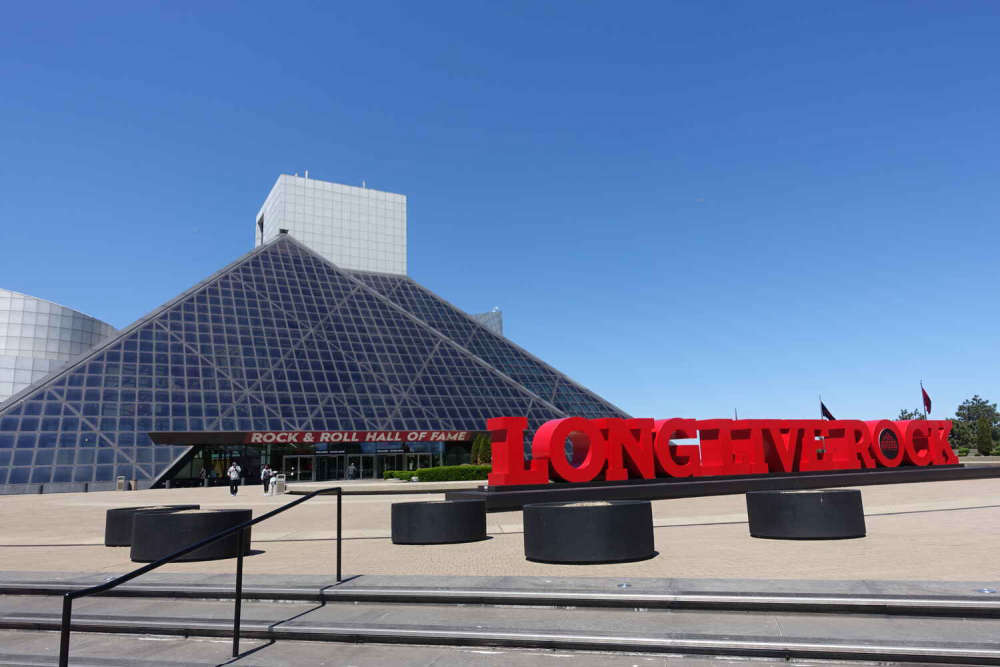 Inside the 2026 Rock & Roll Hall of Fame Induction Ceremony









Comments
Add a comment