


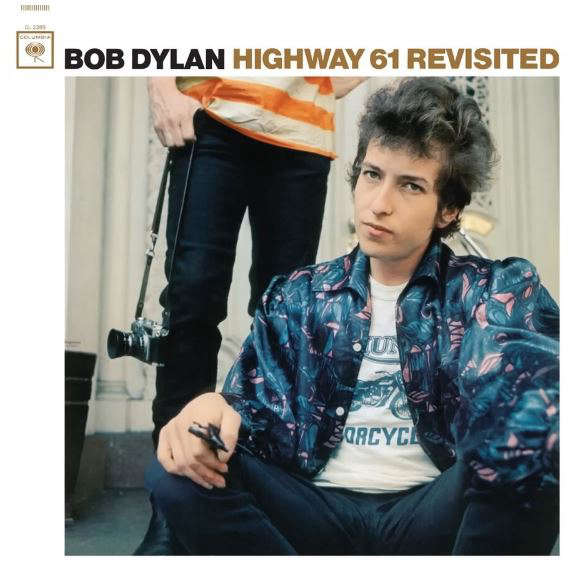
By expanding the boundaries of literature to include song lyrics, the Swedish Academy honored an icon and sparked a worldwide debate on the nature of art
On October 13, 2016, the Swedish Academy shattered more than a century of literary tradition when it awarded the Nobel Prize in Literature to Bob Dylan. The landmark decision made the legendary troubadour the first songwriter in history to receive the prestigious honor, capturing international headlines and reframing how modern culture views literary accomplishment.
The announcement sent shockwaves through the global cultural landscape. While critics and traditionalists debated whether popular song lyrics belonged alongside classical poetry and epic novels, members of the Academy stood firmly behind their selection. Representatives framed Dylan within the lineage of ancient oral storytellers like Homer and Sappho, officially commending the 75-year-old artist for fashioning fresh poetic expressions inside the broader framework of the American song tradition.
The award recognized a monumental body of work spanning over five decades. From early civil rights anthems like The Times They Are a-Changin’ and Blowin’ in the Wind to groundbreaking rock masterpieces like Like a Rolling Stone, Dylan’s lyrics served as the soundtrack for social transformation and redefined the artistic possibilities of popular music.
Initial reactions across the publishing and musical worlds ranged from delight to bewilderment, with major news outlets describing the choice to honor a pop musician as radical. Yet for Dylan himself, who initially remained characteristically silent for two weeks following the announcement, the gesture hit a deeply personal note. Breaking his silence in an interview with the British press, the iconic songwriter expressed profound awe at the decision, noting how hard it was to process such an unexpected honor and wondering aloud who could ever dream of reaching such a height.
Ultimately, Dylan’s Nobel Prize proved to be a defining moment for modern arts and humanities. By placing folk and rock lyricism on the same pedestal as grand prose, the Swedish Academy permanently broadened the definitions of literature, ensuring that the song tradition will forever be studied and celebrated as high art.
Sources
- The Swedish Academy
- The New York Times
- The Daily Telegraph
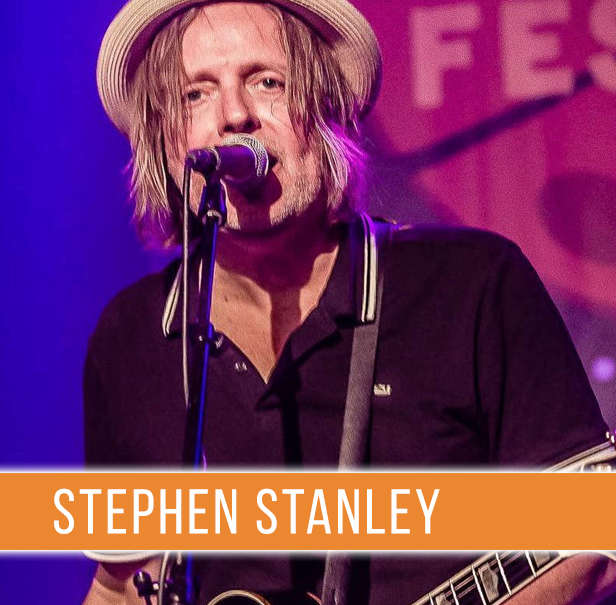
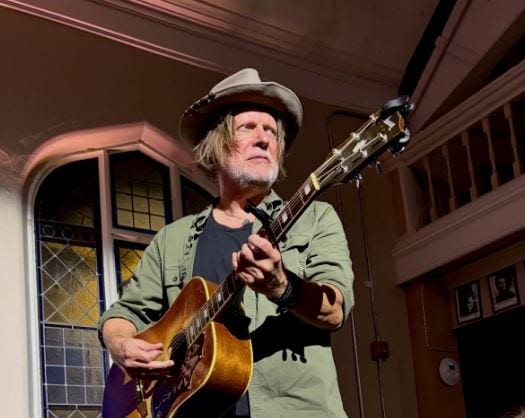 DJ and folk-rocker Stephen Stanley brings secret show to Port Sydney
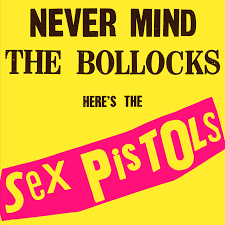 Anarchy In The Charts: How 12 tracks of punk rage rewrote modern rock radio
 Sounds of Solace: The enduring music of Remembrance Day in Canada
 Brighton rockers return with a new riff
 New Music Monday: Soulful Indie, Synth-Pop Hooks, Groove Rock, and Canadian Rock Icons Hit The Chart








Comments
Add a comment