

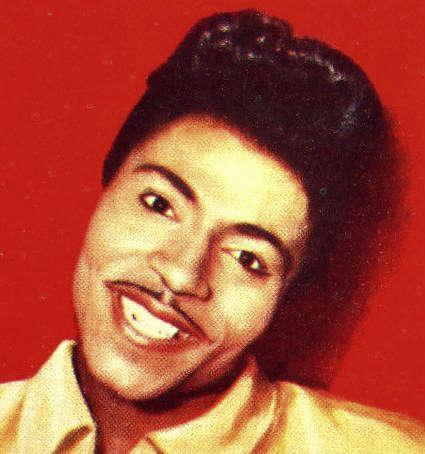
Little Richard’s frantic vocals on “Good Golly, Miss Molly” helped solidify rock ’n’ roll’s wild energy — and connect its roots with the legends that came before.
On a hot day in 1956, at J&M Studio in New Orleans, Little Richard laid down what would become one of rock ’n’ roll’s most enduring anthems — “Good Golly, Miss Molly.” Written by John Marascalco and producer Robert “Bumps” Blackwell, the song was released in January 1958 on Specialty Records and later appeared on Richard’s Here’s Little Richard album.
Though the track was first offered to a lesser-known group, The Valiants, it was Richard’s over-the-top vocals, blazing piano, and magnetic charisma that turned the song into a rock standard. Richard is said to have borrowed the piano intro from Ike Turner’s riff in Jackie Brenston’s 1951 hit “Rocket 88,” embedding a direct musical link from that often-cited “first rock record” into his own work.
From that J&M session, “Miss Molly” exploded onto the airwaves. It charted impressively — peaking in the pop top 10 and R&B top 5 — and quickly became a favorite for cover versions, from Jerry Lee Lewis to Creedence Clearwater Revival and Mitch Ryder’s high-octane medleys.
Rock ’n’ roll didn’t suddenly appear in 1955 — it evolved from a collision of blues, gospel, jazz, rhythm and blues, and country.
One of the earliest and most cited ancestors is “Rocket 88” (1951), recorded by Jackie Brenston with Ike Turner’s band. Many historians credit it as a tipping point: it had a distorted guitar, a boogie beat, and the rebellious spirit that would define the genre.
Other influential tracks include:
- “That’s All Right, Mama” by Arthur “Big Boy” Crudup (1946) — later covered by Elvis Presley — which brought blues phrasing into fresh territory.
- “Good Rockin’ Tonight” by Roy Brown and Wynonie Harris (late 1940s) — its title alone would become emblematic of what rock strove to be.
- “Tutti Frutti” (1955, Little Richard) — widely celebrated as a defining moment in rock, with electrifying vocal delivery, wild piano, and sheer rawness. Many see it as a turning point in the shift from R&B to full rock.
Each of these songs, in its own way, helped lay the foundation upon which artists like Little Richard built. They introduced new rhythms, a louder sound, more aggressive singing, and an energy that spoke to youth culture.
What made “Good Golly, Miss Molly” endure wasn’t just its musical firepower, but its adaptability. Jerry Lee Lewis released his own fiery take; Creedence Clearwater Revival included a version on Bayou Country. In 1966, Mitch Ryder and the Detroit Wheels combined “Miss Molly” with “Devil With a Blue Dress On” in a medley that shot to No. 4 on the charts, renewing the song’s reach for a new generation of rock fans.
Through every reinterpretation, the song’s core remains: a driving 12-bar structure, relentless energy, and a persona that dares you to let go. These qualities reflect rock’s evolution — rooted in African American musical traditions, then reshaped and amplified in unexpected ways.
Sources
- Wikipedia
- Britannica
- Mental Floss
- LiveAbout
- Rock & Roll Hall of Fame
- Audio Network Blog
Image: Public Domain. Author: TGC-Topps Gum Cards
 Jack, Diane, and the Summer of '82: How John Mellencamp Made Chart History
 How Toots Hibbert Gave Reggae Its Name and Soul
 On This Day: Nirvana’s ‘Smells Like Teen Spirit’ Rewrites Rock History
 New Art Exhibition Puts a Human Face on Huntsville’s Food Insecurity
 Light 'Em Up: Zippo's Ultimate Lighter-in-the-Air Anthem







Comments
Add a comment