

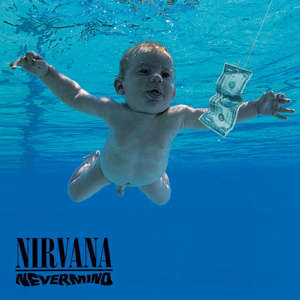
On September 10, 1991, a three-piece band from the Pacific Northwest dropped a single that would dismantle hair metal, redefine popular radio, and give a voice to a generation
In the early autumn of 1991, popular music was dominated by polished stadium hair metal and manufactured pop. That trajectory shifted permanently on September 10 with the U.S. release of "Smells Like Teen Spirit," the lead single from Nirvana's sophomore album, Nevermind. Fronted by Kurt Cobain alongside bassist Krist Novoselic and drummer Dave Grohl, the trio brought an unpolished, explosive sonic force that took the music world by surprise.
The track was not an instant smash upon arrival. Instead, its momentum built steadily until its iconic music video hit MTV's airwaves. Directed by Samuel Bayer, the visual featured a surreal high school pep rally descending into a full-scale riot, perfectly capturing the angst and disillusionment of youth culture at the time. As heavy rotation on television took hold, "Smells Like Teen Spirit" surged up international charts, landing in the Top Ten across the U.S., Canada, the UK, Australia, and Europe. TIME Magazine famously dubbed it an "anthem for apathetic" Generation X kids, turning Cobain into an unwitting cultural spokesman.
Beyond its cultural shockwave, the single acted as a gateway to the rich, dynamic soundscapes of Nevermind. Anchored by the signature dynamic shift—quiet, murky verses exploding into roaring, distorted choruses—the album delivered an unforgettable tracklist. From the frantic, bass-heavy drive of "In Bloom" and the ferocious punk energy of "Breed" to the melodic hook of "Come as You Are," the record proved grunge was more than a fleeting regional phenomenon. Stripped-back moments like "Polly" and the haunting closer "Something in the Way" demonstrated a emotional depth that resonated far beyond traditional rock audiences.
By the end of 1991, "Smells Like Teen Spirit" had propelled Nevermind to the top of the Billboard charts, knocking major pop releases out of the number-one spot. It marked the definitive moment alternative rock broke through the underground and entered the global mainstream, forever altering the landscape of popular music.
 David Bowie’s Berlin Trilogy Rebuilt Pop Music From the Ashes
 How Bob Dylan Rewrote the Nobel Prize for Literature
 New Music Monday: New Hard-Hitting Rock and Roots Voices Power The Countdown
 The B-Side That Stole The Show
 90s Canadian Rock Icons I Mother Earth Set to Shake the Algonquin Theatre









Comments
Add a comment