From punk anthems to provocative pop, explore how the BBC’s long history of airwave censorship unwittingly created some of the biggest chart-topping smashes in music history.
For decades, the British Broadcasting Corporation stood as the undisputed gatekeeper of taste for the UK public. Securing a spot on BBC Radio 1 or an appearance on Top of the Pops was the single most reliable path to a hit record. Yet, throughout the 20th century, the broadcaster operated under a strict mandate to protect public morality, political neutrality, and good taste. This cautious oversight led to a sprawling list of banned songs. Paradoxically, the corporation's efforts to silence controversial records frequently backfired, converting censored tracks into instant cultural phenomena and multi-platinum hits.
Political Rebellion and Crown Contempt
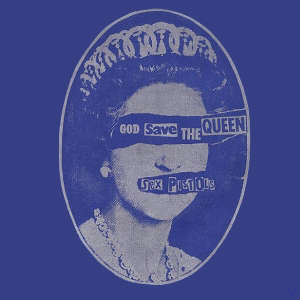
Political commentary has long drawn the ire of BBC programmers, but no ban remains as iconic as the one placed on the Sex Pistols’ 1977 single, "God Save the Queen." Released during Queen Elizabeth II’s Silver Jubilee, the track’s abrasive guitars and confrontational lyricism directly challenged British royal tradition. The BBC instituted a total radio and television ban, viewing the song as an attack on the monarchy. Far from suppressing the punk movement, the censorship generated massive national publicity. Copies flew off store shelves, driving the record to Number 2 on the official UK charts amid widespread speculation that the chart compilers deliberately withheld the top spot to avoid outrage.
Fifteen years later, political censorship surfaced again with The Shamen’s 1992 rave anthem, "Ebeneezer Goode." While the BBC attempted to restrict airplay over allegations that the song’s chorus contained a clever double entendre promoting illegal substances, the ban only heightened its underground appeal, propelling the track straight to Number 1 for four weeks.
Moral Panic and Lyrical Provocation
Lyrical themes involving sex, drugs, and institutional critiques regularly triggered the BBC’s heavy hand. In 1968, The Rolling Stones faced airplay restrictions for "Street Fighting Man" due to fears it would incite public disorder during a era of global civil unrest. A year later, Serge Gainsbourg and Jane Birkin's steamy duet "Je T'aime... Moi Non Plus" became the first banned single to reach Number 1 in the UK, despite—and largely because of—its explicit breathy vocals.
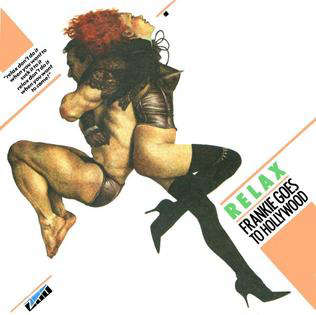
The pattern reached its zenith in January 1984 with Frankie Goes to Hollywood’s synth-pop juggernaut, "Relax." After Radio 1 DJ Mike Read denounced the track on air for its suggestive themes, the BBC slapped an official ban across all networks. Coupled with bold marketing and iconic block-letter T-shirts, the censorship lit a fire under public curiosity. "Relax" spent five consecutive weeks at Number 1 and became one of the decade's best-selling singles.
The Legacy of the Banned Beat
The BBC's history of airwave censorship demonstrates a recurring law of pop culture: forbidding a record often makes it irresistible. What began as an effort to safeguard public ears ultimately functioned as the ultimate promotional engine, proving that when the airwaves go quiet, audiences only listen closer.
Sources
- BBC Archives
- The Guardian
- Official Charts Company
- Sound on Sound
 Local Doc Red Girl Rising up for another award
 Wildlife photographer Michael Runtz' exhibition opens this Sunday
 The Banned Beat That Conquered the World
 The Glorious Sons' Best - Ranked
 From Orillia Garage Jams to Global Airwaves: Bleeker’s Unstoppable Rock Journey





Comments
Add a comment