
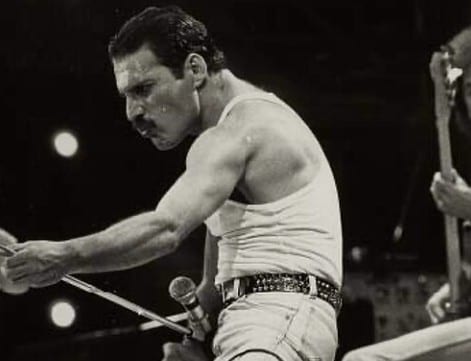
Thirty-five years after his passing in Kensington on November 24, 1991, Freddie Mercury's voice, stage command, and boundary-pushing songwriting remain unmatched in rock history.
On November 24, 1991, British singer and songwriter Freddie Mercury—born Farrokh Bulsara on September 5, 1946—died at the age of 45 at his home in Kensington, London. His death was caused by bronchial pneumonia brought on by AIDS, coming just one day after he publicly confirmed his diagnosis in a carefully worded statement to the press.
In his final hours, Mercury was surrounded by those closest to him. His longtime friend Dave Clark, founder and drummer of the Dave Clark Five, was keeping vigil at his bedside when he passed. Shortly afterward, Mary Austin—Mercury's former partner, lifelong confidante, and closest friend—called Mercury's parents and sister to share the devastating news privately before word reached newspaper desks and television newsrooms in the early hours of November 25.
Long before that quiet farewell in west London, Mercury transformed what a rock frontman could be. Possessing a four-octave vocal range capable of gliding from delicate operatic phrasing to thunderous arena-shaking power, he helped steer Queen from glam-tinged progressive rock into global stadium dominance across the 1970s and 1980s. Dressed in satin jumpsuits, leather, or his iconic yellow military jacket, Mercury treated every concert like high theater, turning tens of thousands of strangers into a single unified choir.
At the heart of that legacy is a catalog of hits that still dominates radio, film soundtracks, and sporting arenas decades later. When Queen released "Bohemian Rhapsody" in 1975, its six-minute blend of balladry, mock opera, and hard rock broke every rule of commercial radio yet became a defining masterpiece of modern music. Two years later, Mercury penned "We Are the Champions," a triumphant piano-driven anthem that paired effortlessly with Brian May's "We Will Rock You" to create the ultimate victory soundtrack.
Mercury's range as a songwriter stretched far beyond rock bombast. He brought sun-drenched nostalgia and playful rockabilly energy to "Crazy Little Thing Called Love," built infectious, bass-heavy groove into "Another One Bites the Dust," and poured raw vulnerability into "Somebody to Love," layering gospel-inspired harmonies over aching vocal runs. Even in his final years, as his health declined behind closed doors, he continued recording with fierce determination, leaving behind moving late-era performances on tracks like "The Show Must Go On."
Mercury's death marked a watershed moment in public awareness of HIV and AIDS, prompting an outpouring of grief across the music world and leading to the landmark 1992 Freddie Mercury Tribute Concert at Wembley Stadium. Thirty-five years on, the voice that fell silent in Kensington on November 24, 1991, continues to echo louder than ever—a testament to an artist who lived and sang without compromise.
Sources:
- Wikipedia
- Queen Online
- BBC News
 Thirty tracks of chaos, meditation, and genius created The Beatles' greatest double album
 New Music Monday: Post-hardcore, cinematic pop, heavy duos, and western grunge rock the chart
 Remembering Michael Hutchence and the electric legacy of INXS
 B-Side Stories: "For What It’s Worth" — How a Sunset Strip curfew sparked an accidental anthem
 Western Space Grunge Goes Platinum: Dexter and the Moonrocks Conquer 2026







Comments
Add a comment