

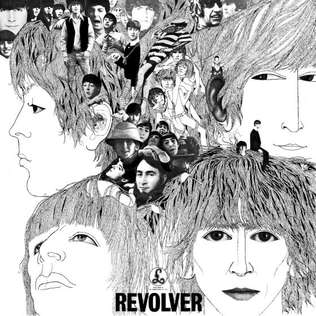
On August 5, 1966, The Beatles released their ground-breaking seventh studio album
On this day in 1966, popular music shifted on its axis. Fatigued by the deafening screams of Beatlemania and trapped in the relentless cycle of touring, John Lennon, Paul McCartney, George Harrison, and Ringo Starr retreated into London’s Abbey Road Studios. The result of those visionary sessions was Revolver—their seventh UK studio album and a monumental milestone that proved the Fab Four were no longer just pop idols, but sonic alchemists.
From the very opening beat, Revolver signaled a radical break from the past. George Harrison set an aggressive, biting tone by taking dead aim at high British taxation on "Taxman," establishing his growing stature as a songwriter alongside Lennon and McCartney. What followed was an astonishing display of stylistic diversity. Paul McCartney delivered a masterclass in classical elegance with "Eleanor Rigby," a haunting portrait of all the lonely people propelled solely by a double string quartet, completely devoid of traditional rock instrumentation.
Yet, for every moment of stark solitude, the album offered warmth and light. McCartney’s romantic brilliance shone through on "Here, There and Everywhere," while the sun-drenched joy of "Good Day Sunshine" and the brassy, Motown-influenced drive of "Got to Get You into My Life" brought undeniable vitality to the tracklist. Even Ringo Starr’s charming lead performance on "Yellow Submarine" turned a playful narrative into a timeless, global singalong.
Behind the mixing console, producer George Martin and engineer Geoff Emerick helped the band push recording technology far past its limits. They ran tape loops backward, routed vocals through Leslie speakers, and close-miked instruments in ways never before attempted. John Lennon’s weary, dreamlike vocals on "I'm Only Sleeping" and the soaring guitar harmonies of "And Your Bird Can Sing" showcased a band operating at the absolute peak of their creative powers.
The album’s staggering climax arrived with "Tomorrow Never Knows." Grounded by Ringo’s unyielding drum groove and a hypnotic, single-chord drone, the track pulled listeners directly into an otherworldly, avant-garde soundscape. It was a fearless declaration that rock music could be high art—inviting listeners to turn off their minds, relax, and float downstream into uncharted sonic territory.
When Revolver landed in the United States three days later on August 8, American audiences were captivated by its boundary-pushing production. Over the decades, its monumental impact has only deepened, earning a 5x Platinum certification from the RIAA and permanently cementing its status at the summit of modern music history. Six decades later, Revolver remains a timeless testament to what happens when creative genius refuses to stand still.
Sources
- Official Beatles Archives & Discography
- Recording The Beatles by Brian Kehew and Kevin Ryan
- RIAA Gold & Platinum Certification Database
- Rolling Stone
 How Bob Dylan Rewrote the Nobel Prize for Literature
 New Music Monday: New Hard-Hitting Rock and Roots Voices Power The Countdown
 The B-Side That Stole The Show
 90s Canadian Rock Icons I Mother Earth Set to Shake the Algonquin Theatre
 Dance, Dance, Dance to the Radio: How Joy Division’s “Transmission” Sparked a Legacy









Comments
Add a comment