


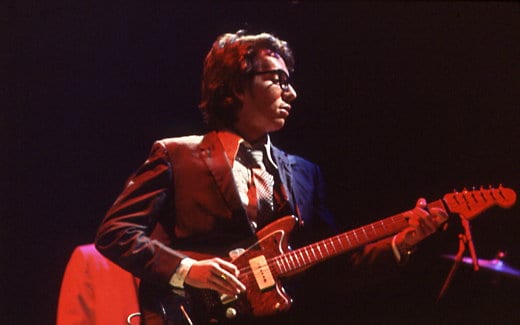
From his razor-sharp 1977 debut through genre-defying decades of hits, rock icon Elvis Costello evolved from a fiery punk-era instigator into one of modern music's most enduring and prolific songwriters
In the summer of 1977, as radio airwaves were dominated by slick arena rock and disco, a skinny 22-year-old former computer programmer from Paddington, London, was preparing a full-scale lyrical assault. Born Declan Patrick MacManus, he adopted the moniker Elvis Costello—pairing the royal swagger of the King of Rock 'n' Roll with his grandmother's maiden name—and burst onto the scene in thick, black-rimmed glasses and a permanent sneer.
Costello’s 1977 debut album, "My Aim Is True", heralded the arrival of rock’s sharpest new literary voice. Driven by rapid-fire wordplay and an unmistakable chip on his shoulder, he launched instantly iconic tracks like the blistering "(The Angels Wanna Wear My) Red Shoes" and the tense, reggae-infused "Watching the Detectives." Yet it was the breakthrough ballad "Alison" that revealed the true scope of his gift, proving that beneath all the venom lay a master tunesmith capable of heart-wrenching melodic tenderness.
When he recruited his backing band, The Attractions—bassist Bruce Thomas, drummer Pete Thomas, and keyboardist Steve Nieve—Costello’s raw kinetic energy exploded. Their 1978 follow-up, This Year's Model, tore through the British charts with venomous, uptempo anthems like "Pump It Up" and "(I Don't Want to Go to) Chelsea."
The 1980s proved that Costello was far too restless to remain trapped inside any single genre. He tackled Motown soul on 1980’s Get Happy!!, took a famous detour into Nashville classic country on 1981’s Almost Blue, and embraced lush orchestral pop on 1982’s acclaimed Imperial Bedroom. His 1983 release Punch the Clock spawned his biggest mainstream American chart smash, the bouncy yet cynical "Everyday I Write the Book," alongside "Shipbuilding," a haunting anti-war protest ballad written during the Falklands Conflict.
Decades after his explosive start, Elvis Costello remains an active, prolific force in contemporary music. He continues to tour globally, collaborate with top symphony orchestras, and release expansive new studio projects.
Offstage, Costello found his ultimate creative and personal match in Canadian jazz titan Diana Krall. The high-profile musical power couple married in December 2003 at Elton John's estate outside London and share twin sons born in 2006. Today, whether performing intimate solo shows or genre-bending collaborations, the former "Angry Young Man" proves that true artistic reinvention never goes out of style.
Sources
- Rolling Stone
- AllMusic
- Billboard
- The Elvis Costello Wiki & Biography Archives
Image: This file is licensed under the Creative Commons Attribution-Share Alike 2.0 Generic license. Author: Jean-Luc Ourlin
 David Bowie’s Berlin Trilogy Rebuilt Pop Music From the Ashes
 How Bob Dylan Rewrote the Nobel Prize for Literature
 New Music Monday: New Hard-Hitting Rock and Roots Voices Power The Countdown
 The B-Side That Stole The Show
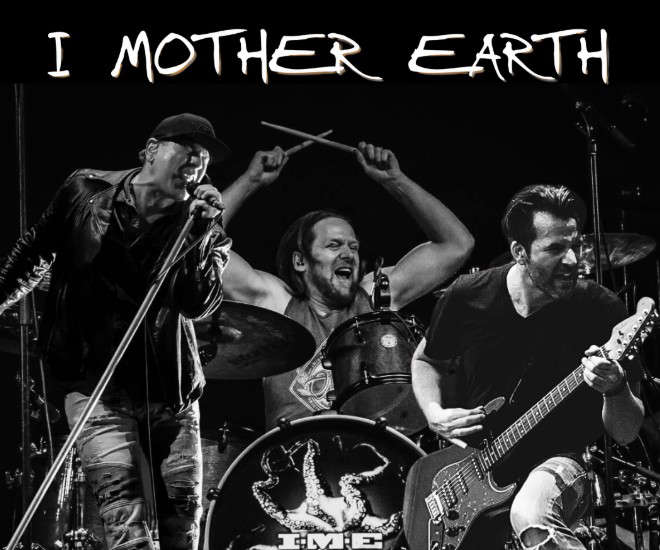 90s Canadian Rock Icons I Mother Earth Set to Shake the Algonquin Theatre










Comments
Add a comment